DIY Vitamin C Oil Serum: The Brightening Skin Elixir
Introduction to Oil-Soluble Vitamin C Formulations
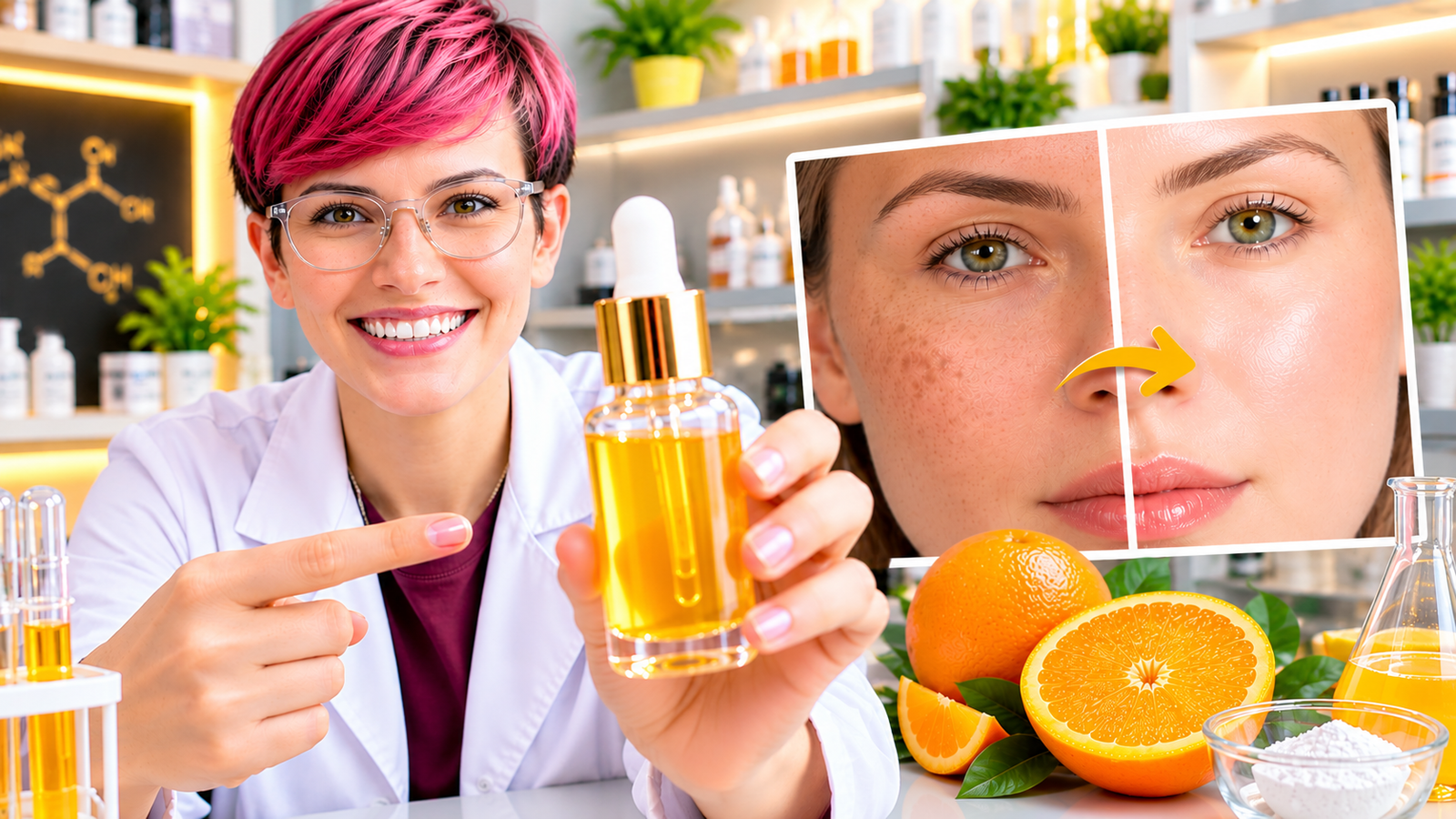
Achieving a luminous, dark-spot-free complexion requires stabilizing antioxidant actives that can penetrate deep within the skin’s natural lipid barrier. While conventional L-ascorbic acid water serums often oxidize rapidly and cause irritation, lipid-soluble Vitamin C derivatives like Tetrahexyldecyl Ascorbate (THDA) remain extraordinarily stable, non-irritating, and highly bioavailable.
By formulating a waterless, nutrient-rich Vitamin C Facial Oil Serum, skin receives powerful protection against oxidative damage, hyperpigmentation, and premature aging. Blended with lightweight emollients like Caprylic/Capric Triglyceride and Squalane, along with botanical powerhouse oils such as Jojoba, Sea Buckthorn, Turmeric, and Mastic Oil, this serum deeply hydrates without leaving a greasy residual film.
In this comprehensive guide, you will discover the science behind each active lipid, the complete master formula breakdown, essential lab safety guidelines, and step-by-step cold-process manufacturing instructions.
Key Active Ingredients & Botanical Benefits
Formulating a professional-grade Vitamin C Facial Oil Serum requires a harmonious blend of lipid-compatible active ingredients, humectant-mimicking oils, and protective antioxidants.
1. Caprylic/Capric Triglyceride (37.0%)
Derived from coconut oil and glycerin, this lightweight emollient forms an invisible, breathable protective barrier on the stratum corneum. It seals in hydration, aids rapid skin absorption of active compounds, and provides a silky, non-sticky feel.
2. Plant-Derived Squalane (30.0%)
A highly biocompatible lipid that mirrors the skin’s natural sebum, enabling it to penetrate into deep dermal layers. Rich in antioxidants, squalane neutralizes harmful free radicals, regulates oil production, and plumps the skin with a healthy glow.
3. Tetrahexyldecyl Ascorbate / THDA (5.0%)
A premium, highly stable, oil-soluble form of Vitamin C. THDA inhibits the tyrosinase enzyme to lighten melasma, dark spots, and post-inflammatory hyperpigmentation. It directly stimulates fibroblast cells to increase collagen and elastin synthesis, firming skin texture while shielding against UV-induced damage.
4. Jojoba Seed Oil (15.0%)
Biologically similar to human sebum, jojoba oil effortlessly balances all skin types (including oily skin) without clogging pores. Packed with essential vitamins and antioxidants, it nourishes and accelerates skin repair.
5. Sea Buckthorn Seed Oil (3.0%)
Renowned for its vibrant natural tone and nutrient density, sea buckthorn oil is loaded with essential fatty acids, vitamins, and anti-inflammatory antioxidants. It repairs the moisture barrier, promotes cell regeneration, and shields tissues from environmental stressors .
6. Turmeric Essential / Infused Oil (2.5%)
Rich in curcumin, turmeric oil acts as a potent natural anti-inflammatory agent. It calms redness, suppresses irritation-causing enzymes, and actively brightens stubborn hyperpigmentation and acne marks.
7. Vitamin E / Tocopherol (2.0%)
A master fat-soluble antioxidant that protects facial oils from rancidity while scavenging free radicals to delay premature fine lines and enhance skin elasticity.
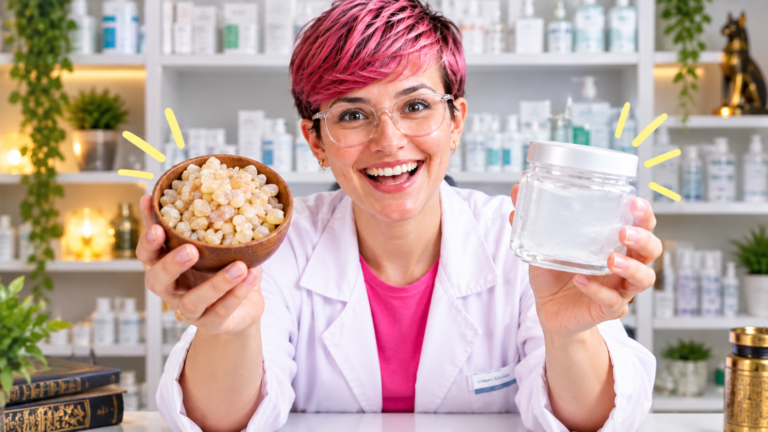
8. Mastic Oil / Chios Mastic (4.9%)
Offers purifying, antimicrobial, and pore-refining properties . Mastic oil helps tighten sagging skin, clear blemish-prone areas, and boost antioxidant defense.
9. Bergamot Essential Oil (0.5%)
Provides a refreshing, subtle botanical aroma alongside antimicrobial and purifying benefits to help prevent skin breakout activity.
Key Benefits of Vitamin C Facial Oil Serum
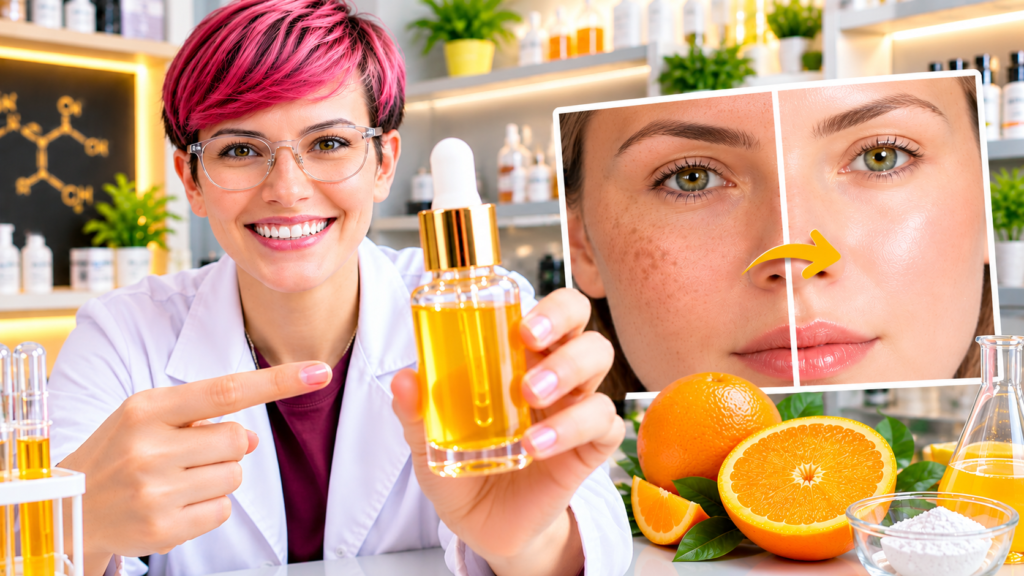
- Fades Dark Spots & Melasma: Inhibits tyrosinase enzyme activity to brighten hyperpigmentation and even out overall skin tone.
- Boosts Collagen & Firmness: Stimulates collagen synthesis via THDA to improve elasticity and diminish fine lines.
- Restores Barrier & Deep Hydration: Seals in essential moisture overnight without clogging pores or feeling greasy.
- Neutralizes Free Radicals: Provides continuous antioxidant defense against environmental pollutants and premature skin aging.
Laboratory Sanitation & Equipment Preparation
Working with anhydrous oil formulations requires strict dry-sanitation protocols to prevent micro-contamination and preserve shelf stability .
Required Formulation Tools
- Precision Digital Scale (accurate to 0.01g)
- Clean, Dry Glass Beakers
- Stainless Steel Spatulas / Glass Stirring Rods
- Amber Glass Dropper Bottles (to protect light-sensitive oils)
- Protective Gear: Face Mask, Nitrile Gloves, and Hair Cover
Sanitation Protocol
- Thoroughly wash, dry, and sanitize all glass beakers, spatulas, and dropper bottles with 70% Isopropyl Alcohol .
- Ensure all tools are completely dry; water introduced into anhydrous oil formulations can promote bacterial growth and reduce shelf stability.
- Wear gloves, a mask, and a hair cover throughout the process .
Master Formula & Percentage Breakdown
The following formula details the exact weight-by-weight percentage breakdown (w/w%) for a standard 100g batch of Vitamin C Facial Oil Serum .
| Phase | Ingredient Name | Function / Category | Percentage (%) | Weight for 100g Batch (g) |
| Phase A | Caprylic/Capric Triglyceride | Emollient / Carrier Oil | 37.0% | 37.0g |
| Phase A | Plant-Derived Squalane | Biocompatible Emollient | 30.0% | 30.0g |
| Phase A | Tetrahexyldecyl Ascorbate (THDA) | Oil-Soluble Vitamin C Active | 5.0% | 5.0g |
| Phase B | Jojoba Seed Oil | Sebum-Balancing Botanical Oil | 15.0% | 15.0g |
| Phase B | Sea Buckthorn Seed Oil | Nutrient-Rich Repair Oil | 3.0% | 3.0g |
| Phase B | Turmeric Oil | Anti-inflammatory / Brightening Oil | 2.5% | 2.5g |
| Phase B | Vitamin E (Tocopherol) | Antioxidant / Lipid Stabilizer | 2.0% | 2.0g |
| Phase B | Mastic Oil | Purifying / Pore-Refining Active | 4.9% | 4.9g |
| Phase C | Bergamot Essential Oil | Natural Aroma / Antimicrobial | 0.5% | 0.5g |
| Total | 100.0% | 100.0g |
Step-by-Step Cold-Process Procedure
Since this formula contains heat-sensitive vitamins and botanical extracts, it is formulated using a simple cold-process method.
Step 1: Base Lipid Phase
In a sanitized, completely dry glass beaker, weigh 37.0g Caprylic/Capric Triglyceride and 30.0g Squalane. Stir gently to combine.
Step 2: Vitamin C Active Incorporation
Add 5.0g Tetrahexyldecyl Ascorbate (THDA) to the base oil mixture. Stir thoroughly with a glass rod until fully dissolved into a uniform, clear liquid .
Step 3: Botanical & Antioxidant Phase
Sequentially weigh and add the remaining oils, stirring after each addition:
- Add 15.0g Jojoba Seed Oil and mix.
- Add 3.0g Sea Buckthorn Seed Oil and mix.
- Add 2.5g Turmeric Oil and mix .
- Add 2.0g Vitamin E (Tocopherol) and mix .
- Add 4.9g Mastic Oil and mix .
Step 4: Essential Oil Addition
Add 0.5g Bergamot Essential Oil to the formulation. Stir the complete mixture for 2–3 minutes to ensure uniform dispersion of all lipids and botanical compounds.
Step 5: Packaging & Labeling
- Carefully pour the finished serum into dark amber or UV-protected glass dropper bottles.
- Cap tightly, wipe down the bottles, and attach product labels detailing usage and batch date.
Application & Safety Guidelines
- Evening Routine Recommended: Because citrus-derived essential oils like bergamot can contain photosensitizing compounds, this facial oil serum is best applied during evening skincare routines.
- How to Apply: After cleansing and applying water-based products, warm 3–4 drops of serum between palms. Gently press onto face and neck in upward circular motions.
- Overnight Results: Deeply nourishes overnight, leaving skin visibly plumper, radiant, and hydrated by morning.
Frequently Asked Questions (FAQ)
What makes oil-soluble Vitamin C (THDA) superior to water-soluble L-ascorbic acid?
Tetrahexyldecyl Ascorbate (THDA) is a lipid-soluble ester derivative of Vitamin C. Unlike L-ascorbic acid, THDA remains stable against oxidation, penetrates deeper into the lipid barrier, and causes virtually no skin irritation.
Will this facial oil serum clog pores or cause acne?
No. The formula features non-comedogenic lipids such as squalane, jojoba oil, and caprylic/capric triglyceride, alongside pore-clearing mastic oil.
What is the expected shelf life of this serum?
Because it is a waterless (anhydrous) formula stabilized with Vitamin E, this serum maintains peak potency for 12 to 18 months when stored in amber glass away from direct sunlight.
Conclusion
Formulating a Vitamin C Facial Oil Serum with tetrahexyldecyl ascorbate, squalane, and rich botanical oils offers an effective, non-irritating solution for hyperpigmentation and skin rejuvenation. By combining lipid-soluble actives with soothing botanicals, this formula delivers deep nourishment, enhances elasticity, and restores natural luminosity.