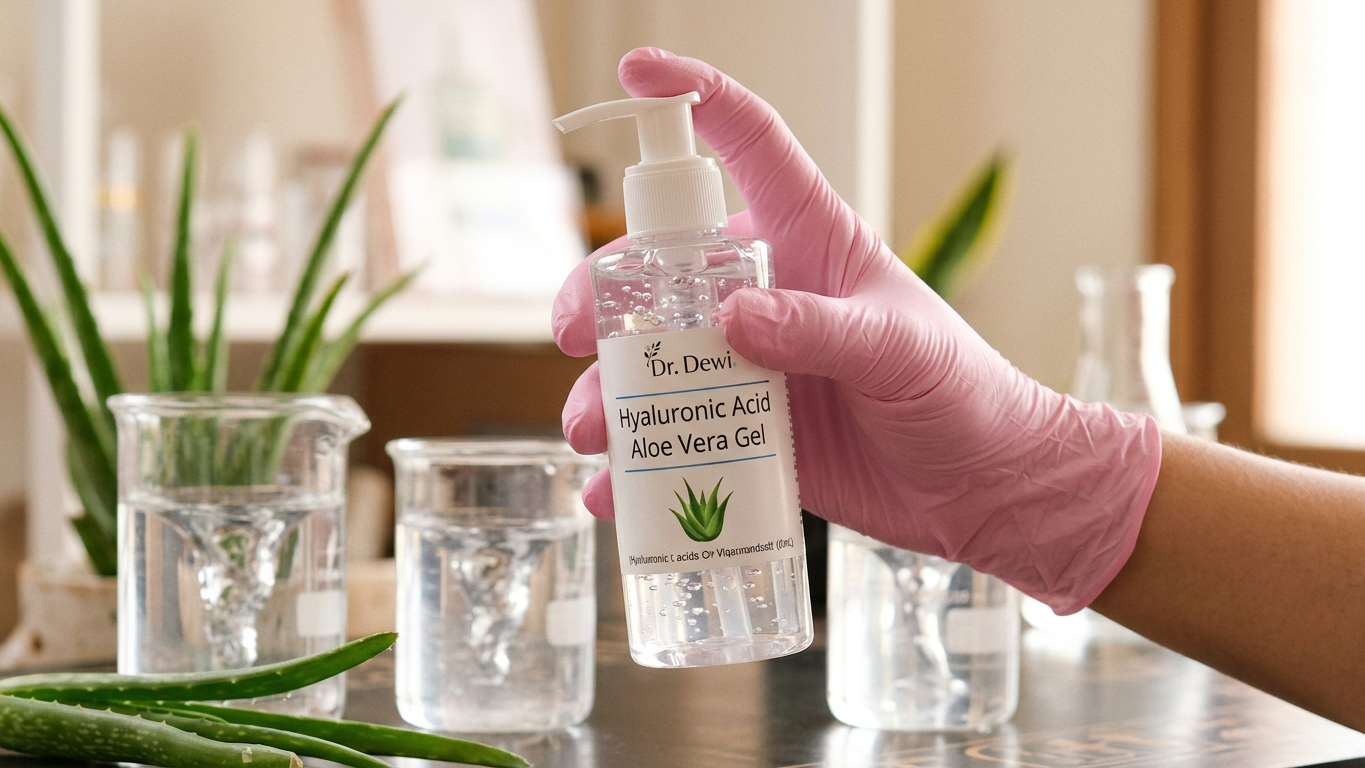
Aloe Vera and Hyaluronic Acid Facial Gel for Deep Hydration & Skin Anti-Aging
Achieving deeply hydrated, radiant, and youthful skin does not always require purchasing expensive luxury cosmetics. In the modern cosmetic science era, formulating high-performance skincare products at home or in a small laboratory has become accessible, highly effective, and rewarding.
Among all anti-aging and moisturizing formulations, the combination of Aloe Vera Gel and Hyaluronic Acid stands out as an unmatched powerhouse. Aloe vera offers soothing, healing, and nutrient-dense hydration, while hyaluronic acid acts as a ultimate moisture magnet capable of holding up to 1,000 times its weight in water.
In this comprehensive cosmetic formulation guide, you will learn how to create a professional-grade Aloe Vera & Hyaluronic Acid Face Gel designed to smooth fine lines, boost elasticity, deeply hydrate, and restore your skin’s natural radiance.
Why Formulate Your Own Aloe Vera and Hyaluronic Acid Gel?
Commercial skincare products often contain high percentages of synthetic fillers, artificial fragrances, and harsh preservatives that can irritate sensitive skin. By crafting your own facial gel, you gain total control over the purity, quality, and concentration of active ingredients.
Key Benefits of This Formulation:
- Deep Multi-Depth Hydration: Delivers immediate surface hydration while locking moisture into deeper epidermal layers.
- Anti-Aging & Plumping Effect: Reduces the appearance of fine lines, wrinkles, and signs of fatigue.
- Skin Barrier Repair: Soothes inflammation, reduces redness, and restores compromised skin barrier function.
- Lightweight & Non-Greasy: Perfect for all skin types, including oily, combination, and acne-prone skin.
Key Ingredients & Their Cosmetic Benefits
Understanding the role of each raw material in your formulation is crucial for successful cosmetic manufacturing.
1. Distilled Water (Aqua)
Water acts as the primary solvent in aqueous gel formulations. Using pure distilled water is essential to prevent microbial contamination and unwanted reactions with active ingredients. Tap water or mineral water should never be used in professional skincare making.
2. Aloe Vera Gel (Aloe Barbadensis Leaf Juice)
Aloe Vera is rich in vitamins A, C, and E, amino acids, and active enzymes. It acts as an anti-inflammatory agent, calms irritated skin, accelerates cellular healing, and offers natural light hydration without clogging pores.
3. Hyaluronic Acid (Sodium Hyaluronate)
Hyaluronic acid is a naturally occurring glycosaminoglycan in the skin.
- High Molecular Weight (HMW): Forms an invisible protective shield on top of the skin to prevent Transepidermal Water Loss (TEWL).
- Low Molecular Weight (LMW): Penetrates deeper into the epidermal layers to boost collagen production, increase skin firmness, and plump fine wrinkles from within.
4. Vegetable Glycerin
Glycerin is a powerful humectant that draws moisture from the atmosphere into the skin. It acts synergistically with hyaluronic acid, providing continuous hydration and improving the gel’s spreadability.
5. Gelling Agent (Xanthan Gum / Carbomer)
To turn liquid ingredients into a luxurious, silky gel, a gelling agent is required. Natural Xanthan Gum (Clear Grade) or Carbomer builds a stable viscous structure while providing a smooth skin feel.
6. Broad-Spectrum Preservative
Because water and aloe vera are prone to rapid bacterial and fungal growth, a broad-spectrum preservative (such as Liquid Germall Plus, Phenoxyethanol, or Euxyl K903) is strictly required. This guarantees product safety and extends shelf life up to 12 months.
Professional Formulation Table (100g Batch)
In cosmetic manufacturing, all ingredients are measured by weight (grams) rather than volume (milliliters) to maintain accurate percentages and batch consistency.
| Phase | Ingredient | Percentage (%) | Weight for 100g Batch |
| Phase A | Distilled Water | 70.5% | 70.5 g |
| Phase A | Aloe Vera Gel / Juice | 20.0% | 20.0 g |
| Phase A | Vegetable Glycerin | 4.0% | 4.0 g |
| Phase B | Hyaluronic Acid Powder (Sodium Hyaluronate) | 1.0% | 1.0 g |
| Phase B | Xanthan Gum (Clear Grade) | 0.5% | 0.5 g |
| Phase C | Broad-Spectrum Preservative (e.g., Liquid Germall Plus) | 0.5% | 0.5 g |
| Phase C | pH Adjuster (Citric Acid solution, if needed) | q.s. | q.s. |
| Total | 100.0% | 100.0 g |
Equipment Needed
- Precision digital scale (0.01g accuracy)
- Heat-resistant glass beakers
- Mini electric mixer / milk frother or stainless steel mini whisk
- Glass stirring rods
- pH indicator strips or digital pH meter
- Disinfected pump bottles or dropper bottles
- 70% Isopropyl Alcohol for sanitization
Step-by-Step Manufacturing Process
Step 1: Sanitation & Preparation
Thoroughly clean your work surface. Spray all equipment, glass beakers, utensils, and hands with 70% isopropyl alcohol and allow them to air dry completely. Cleanliness is paramount when formulating water-based products.
Step 2: Prepare the Water and Aloe Phase (Phase A)
In a clean beaker, weigh the Distilled Water, Aloe Vera Gel, and Vegetable Glycerin. Stir gently until all liquid ingredients are fully blended.
Step 3: Hydrate the Hyaluronic Acid & Gelling Agent (Phase B)
- Sprinkle the Hyaluronic Acid Powder and Xanthan Gum slowly over the surface of the liquid mixture.
- Mix gently with a stirrer to disperse the powders without introducing excess air bubbles.
- Allow the mixture to hydrate for 30 to 60 minutes. As the Hyaluronic Acid and Xanthan Gum absorb water, they will fully dissolve and transform the liquid into a thick, crystal-clear gel.
- Stir thoroughly once fully hydrated to ensure a homogeneous texture.
Step 4: Add the Preservative & Adjust pH (Phase C)
- Add the broad-spectrum preservative (0.5g) to the gel mixture and stir well for 2 minutes to distribute evenly.
- Test the pH level of the gel using a digital pH meter or pH strip. The ideal pH for healthy skin and hyaluronic acid stability is between 5.0 and 5.5.
- If the pH is higher than 5.5, add a drop of diluted citric acid solution and re-test until the target pH is achieved.
Step 5: Packaging & Storage
Transfer your finished Aloe Vera & Hyaluronic Acid Gel into a clean, disinfected pump bottle or airless cosmetic dispenser. Store the gel in a cool, dry place away from direct sunlight. When formulated with a proper preservative, this product will remain stable for up to 12 months.
How to Incorporate This Gel Into Your Skincare Routine
To get maximum anti-aging and hydrating results from your homemade gel, follow these application steps:
- Cleanse: Wash your face with a mild cleanser and gently pat dry.
- Apply to Damp Skin: Apply 2–3 drops of the gel to slightly damp skin. Hyaluronic acid works best when it has moisture to bind to.
- Massage Gently: Gently press and massage the gel across your face, neck, and chest in upward motions until fully absorbed.
- Seal with Moisture: Lock in the hydration by applying a facial oil or moisturizing cream over the gel. This step prevents moisture evaporation throughout the day or night.
Frequently Asked Questions (FAQ)
Can I use fresh aloe vera leaf gel directly from the plant?
While fresh aloe vera gel is wonderful for immediate, single-use application, it contains raw plant enzymes and bacteria that decay quickly. For stable cosmetics meant to last several months, it is strongly recommended to use commercially purified, cosmetic-grade aloe vera liquid or reconstituted aloe powder.
Why does my gel feel sticky after application?
If the gel feels sticky, the concentration of glycerin or hyaluronic acid may be slightly too high for your skin type, or too much product was applied. Applying the gel to damp skin and following with a cream will eliminate any tackiness.
Is this gel suitable for sensitive and acne-prone skin?
Yes! This gel is non-comedogenic (will not clog pores) and oil-free. Aloe vera actively reduces redness and inflammation, making it exceptionally beneficial for acne-prone, sensitive, or reactive skin types.
Conclusion
Formulating your own Aloe Vera & Hyaluronic Acid Facial Gel allows you to experience clean, professional-grade skincare customized for skin renewal and hydration. With simple raw materials and proper laboratory hygiene, you can create high-performance anti-aging products that deliver visible, healthy results.