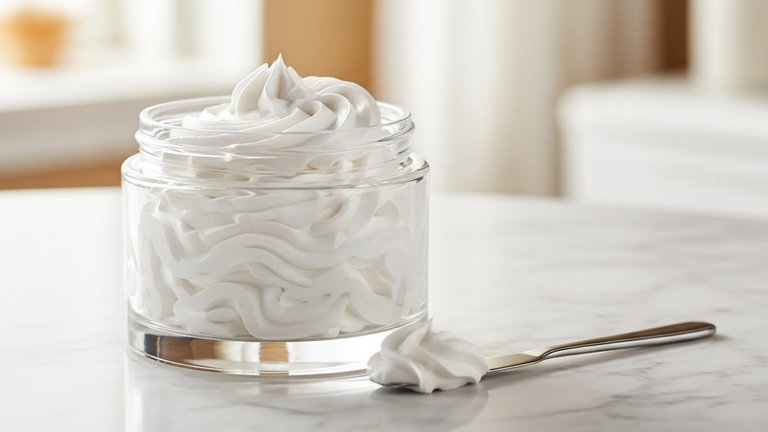
Amino Acid Soap Bar Without Lye (Caustic Soda)
Traditional cold-process and hot-process soap bars rely heavily on saponification—a chemical reaction between fatty acids and strong alkalis like Sodium Hydroxide (Lye or Caustic Soda). While traditional soap effectively removes dirt and sebum, its high alkaline pH (typically between 8.5 and 10.0) can disrupt the skin’s natural acid mantle, strip essential intercellular lipids, and lead to dry, irritated skin.
In modern cosmetic formulation, Amino Acid Soap Bar technology represents a major leap forward in ultra-gentle facial cleansing. Formulated using mild, amino acid-derived surfactants rather than lye, these soap bars match the natural acidic pH of human skin (pH 5.5 to 6.0). They deliver luxurious, velvety lather while preserving moisture barrier integrity, making them ideal for sensitive, acne-prone, and dry skin types.
This comprehensive formulation guide breaks down the science, raw materials, equipment, and step-by-step hot-process casting technique required to craft a crystal-clear, lye-free Amino Acid Soap Bar.
The Science and Key Active Ingredients
Formulating an authentic Amino Acid Soap Bar requires high-purity acyl amino acid surfactants combined with polyols and structural hardeners to achieve structural solidness and optical clarity.
1. Sodium Lauroyl Glutamate / Triethanolamine Cocoyl Glutamate
Glutamate and sarcosinate surfactants are derived from natural amino acids (such as glutamic acid or glycine) combined with plant fatty acids. These surfactants provide exceptional cleansing efficiency with extremely low irritation potential. They produce soft, dense micro-foam while leaving a protective, hydrated film on the stratum corneum.
2. Triethanolamine (TEA) & Polyols (Propylene Glycol & Glycerin)
To convert amino acid surfactants into a solid, transparent bar matrix without traditional saponification, polyols and organic bases are utilized as solidifying solvents and clarity enhancers:
- Glycerin & Propylene Glycol: Act as powerful humectants that bind moisture to the skin and prevent structural cracking of the soap bar over time.
- Triethanolamine (TEA): Used to neutralize the acyl amino acids, establishing structural gelation, optimal pH adjustment, and gem-like optical clarity.
3. Stearic Acid / Citric Acid (pH Adjusters & Hardeners)
- Stearic Acid: Serves as a structural binder and lipid builder that increases the physical hardness and melting point of the bar.
- Citric Acid: Used to fine-tune the final formulation pH down to the skin-identical 5.5–6.0 range, ensuring non-irritating compatibility with delicate skin tissues.
4. Hydrating Botanical Actives & Fragrance
Gentle botanical humectants (such as Hyaluronic Acid or Betaine) alongside skin-safe fragrance or essential oils can be incorporated into the cool-down phase to elevate the sensory experience and skin conditioning properties.
Key Benefits of Lye-Free Amino Acid Cleansing Bars
Transitioning from traditional alkaline soaps to a professionally crafted Amino Acid Soap Bar delivers distinct dermatological advantages:
- Skin Barrier Preservation: Cleanses without stripping natural ceramide lipids or disrupting the protective skin microbiome.
- Skin-Identical pH Level: Formulated at pH 5.5–6.0, matching the natural acid mantle to reduce redness and irritation.
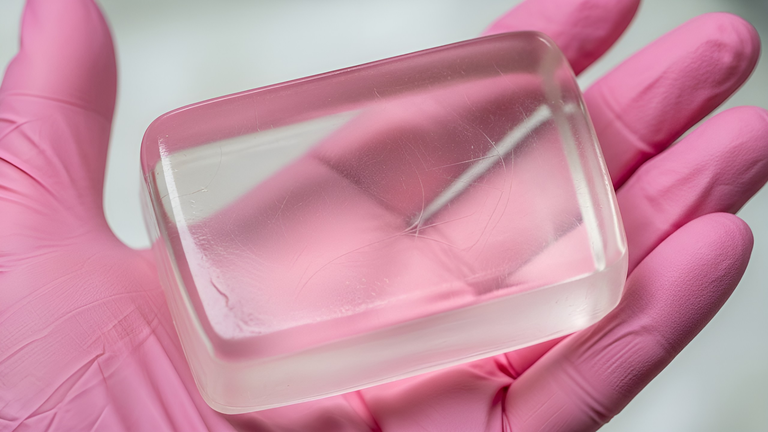
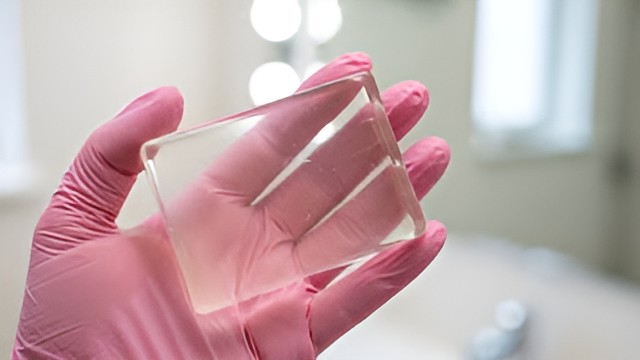
- Crystal-Clear Aesthetic: Features a gem-like, transparent glass aesthetic that appeals to luxury cosmetic markets.
- Zero Caustic Soda Hazard: Completely eliminates handling dangerous lye (sodium hydroxide) during production.
- Multi-Skin Suitability: Safe for hyper-sensitive, eczema-prone, rosacea-affected, and post-procedure skin types.
Equipment, Hygiene, and Laboratory Safety Standard
Because amino acid soap bases require controlled thermal melting and precise weight ratios, maintaining clean laboratory equipment is necessary for batch stability and crystal clarity.
Required Formulation Tools
- Precision Digital Scale (accurate to 0.01g)
- Heat-Resistant Glass Beakers (250ml, 500ml)
- Double Boiler Setup or Thermostatic Hot Plate
- Stainless Steel Spatulas or Glass Stirring Rods
- High-Clarity Crystal Silicone Molds (Round or Oval)
- Spray Bottle with 70% Isopropyl Alcohol (to eliminate surface bubbles)
- Digital Thermometer or Infrared Temp Gun
- Disposable Gloves, Hair Net, and Face Mask
Hygiene Standard Operating Procedure (SOP)
- Clean all formulation countertops with a broad-spectrum sanitizer.
- Spritz glass beakers, spatulas, and silicone molds with 70% Isopropyl Alcohol and allow them to air-dry completely.
- Wear clean gloves and a hair net to prevent debris from compromising the visual clarity of the transparent soap base.
Master Formula & Percentage Breakdown
This master formula is designed on a weight-by-weight percentage basis (w/w%) totaling 100%. Below is the exact recipe for a 100g test batch of Amino Acid Soap Bar.
| Ingredient Name | Function / Category | Phase | Percentage (%) | Weight for 100g Batch (g) |
| Glutamic Acid / Amino Acid Surfactant Powder | Primary Gentle Surfactant | Phase A | 35.0% | 35.0g |
| Triethanolamine (TEA) | Neutralizer & Structural Agent | Phase A | 25.0% | 25.0g |
| Propylene Glycol | Solubilizer & Clarity Agent | Phase A | 15.0% | 15.0g |
| Vegetable Glycerin | Humectant & Moisture Binder | Phase A | 10.0% | 10.0g |
| Distilled Water | Solvent Base | Phase A | 8.0% | 8.0g |
| Stearic Acid | Hardening Builder | Phase B | 4.0% | 4.0g |
| Citric Acid (10% Solution) | pH Buffer / Adjuster | Phase B | 1.0% | 1.0g |
| Water-Soluble Active / Fragrance | Skin Conditioning & Fragrance | Phase C | 2.0% | 2.0g |
| Total | 100.0% | 100.0g |
Step-by-Step Manufacturing Procedure
Follow this hot-process casting procedure carefully to achieve maximum transparency and mechanical strength in your finished Amino Acid Soap Bar.
Step 1: Polyol & Surfactant Dissolution (Phase A)
- Weigh 8.0g of Distilled Water, 15.0g of Propylene Glycol, and 10.0g of Vegetable Glycerin into a clean, heat-resistant glass beaker.
- Add 25.0g of Triethanolamine (TEA) into the polyol liquid mix and stir gently.
- Slowly add 35.0g of Glutamic Acid / Amino Acid Surfactant Powder to the liquid mixture.
- Place the beaker in a water bath (double boiler) set to medium heat (75°C–80°C / 167°F–176°F). Cover the beaker with aluminum foil to prevent water evaporation.
- Stir gently at intervals until the amino acid powder is completely dissolved into a clear, viscous liquid.
Step 2: Hardening Phase Integration (Phase B)
- Maintain the beaker temperature at 75°C–80°C.
- Add 4.0g of Stearic Acid into the heated mixture.
- Stir continuously until the stearic acid melts completely and dissolves into the clear solution.
- Add 1.0g of Citric Acid Solution slowly to adjust the system pH down to the mild range. Stir thoroughly to ensure full homogeneity.
Step 3: Cool-Down Phase & Fragrance (Phase C)
- Remove the beaker from heat and monitor the temperature as it drops to approximately 55°C–60°C (131°F–140°F).
- Add 2.0g of skin-safe fragrance or active extract solution.
- Mix gently with a glass rod to prevent creating excessive air bubbles within the setting liquid base.
Step 4: Casting and Solidification (Phase D)
- Gently pour the warm, liquid amino acid soap solution into sanitized high-clarity silicone molds.
- Immediately spritz the exposed top surface liberally with 70% Isopropyl Alcohol to collapse any surface micro-bubbles and achieve a glass-like finish.
- Allow the molds to sit completely undisturbed at room temperature for 24 hours to complete crystallization and full hardening.
- Unmold the hardened Amino Acid Soap Bar carefully onto clean wax paper.
Packaging and Preservation Practices
- Air-Tight Packaging: Amino acid soap bars contain natural humectants that can attract ambient humidity if left exposed. Wrap individual bars tightly in breathable shrink wrap or cling film immediately after unmolding.
- Storage Environment: Store packaged soap bars in a dry, dark place below 30°C (86°F) away from direct moisture and sunlight.
Troubleshooting & Formulation Guidance
1. The Soap Bar Appears Cloudy Instead of Transparent
- Cause: Incomplete dissolution of the amino acid surfactant powder, or stirring too rapidly which entraps micro-bubbles in the matrix.
- Solution: Maintain temperature at 75°C–80°C during Phase A until all surfactant particles are fully solubilized. Stir slowly in a uniform direction and spritz liberally with isopropyl alcohol before casting.
2. The Soap Bar Is Too Soft or Sticky
- Cause: Excess water content or insufficient hardening agents.
- Solution: Slightly increase the Stearic Acid proportion by 1% or reduce the distilled water level. Allow the bar to cure in a low-humidity room for an extra 24–48 hours.
3. Controlling Final Bar pH
- Testing: Dissolve 1g of the finished soap bar in 9g of distilled water (10% dilution) and measure using a digital pH meter. Target range should consistently sit between 5.5 and 6.0.
Frequently Asked Questions (FAQ)
Is an Amino Acid Soap Bar completely free of caustic soda (sodium hydroxide)?
Yes. True amino acid cleansing bars do not use sodium hydroxide or saponified fats. They are structured entirely around mild amino acid acyl surfactants and polyols, making them 100% lye-free.
Can this bar be used daily on facial skin?
Yes. Thanks to its neutral-to-acidic pH (5.5–6.0) and gentle surfactant profile, it is designed specifically for daily facial cleansing without compromising the moisture barrier.
How does an amino acid soap compare to standard Melt & Pour soap?
Standard Melt & Pour soap bases contain traditional saponified oils (like sodium cocoate or sodium palmitate) that carry a high pH (8.5–9.5). Amino acid bars operate at a much lower skin-identical pH (5.5–6.0) and deliver significantly higher hydration levels after rinsing.
How long does one Amino Acid Soap Bar last in the shower?
When kept on a well-draining soap dish between uses, a standard 100g bar provides approximately 40 to 60 facial washes.
Conclusion
Formulating a lye-free Amino Acid Soap Bar provides cosmetic formulators with a luxury, high-performance product that bridges the gap between traditional soap aesthetics and advanced dermatological care. By mastering gentle surfactant solubilization, polyol stabilization, and low-pH calibration, you can manufacture high-value facial cleansing bars suitable for sensitive skin markets and modern eco-friendly beauty lines.