DIY Argireline Serum: The Botox Alternative: Comprehensive Skincare Formulation Guide
In the rapidly evolving world of professional skincare and cosmetic formulation, peptide technology has revolutionized how we approach anti-aging treatments. Among the most effective cosmetic ingredients available to formulators today is Argireline (Acetyl Hexapeptide-8). Often dubbed as a topical “Botox in a bottle,” Argireline offers a non-invasive, safe, and highly efficient alternative to cosmetic injections.
Dynamic facial expressions—such as smiling, frowning, and squinting—cause repeated contractions of facial muscles. Over time, these contractions lead to fine lines and expression wrinkles, particularly around the forehead, eyes, and mouth. While injectable neurotoxins function by paralyzing muscle tissue beneath the skin, topical peptides like Argireline work by modulating neurotransmitter release, thereby relaxing facial micro-contractions and smoothing the skin surface without invasive procedures.
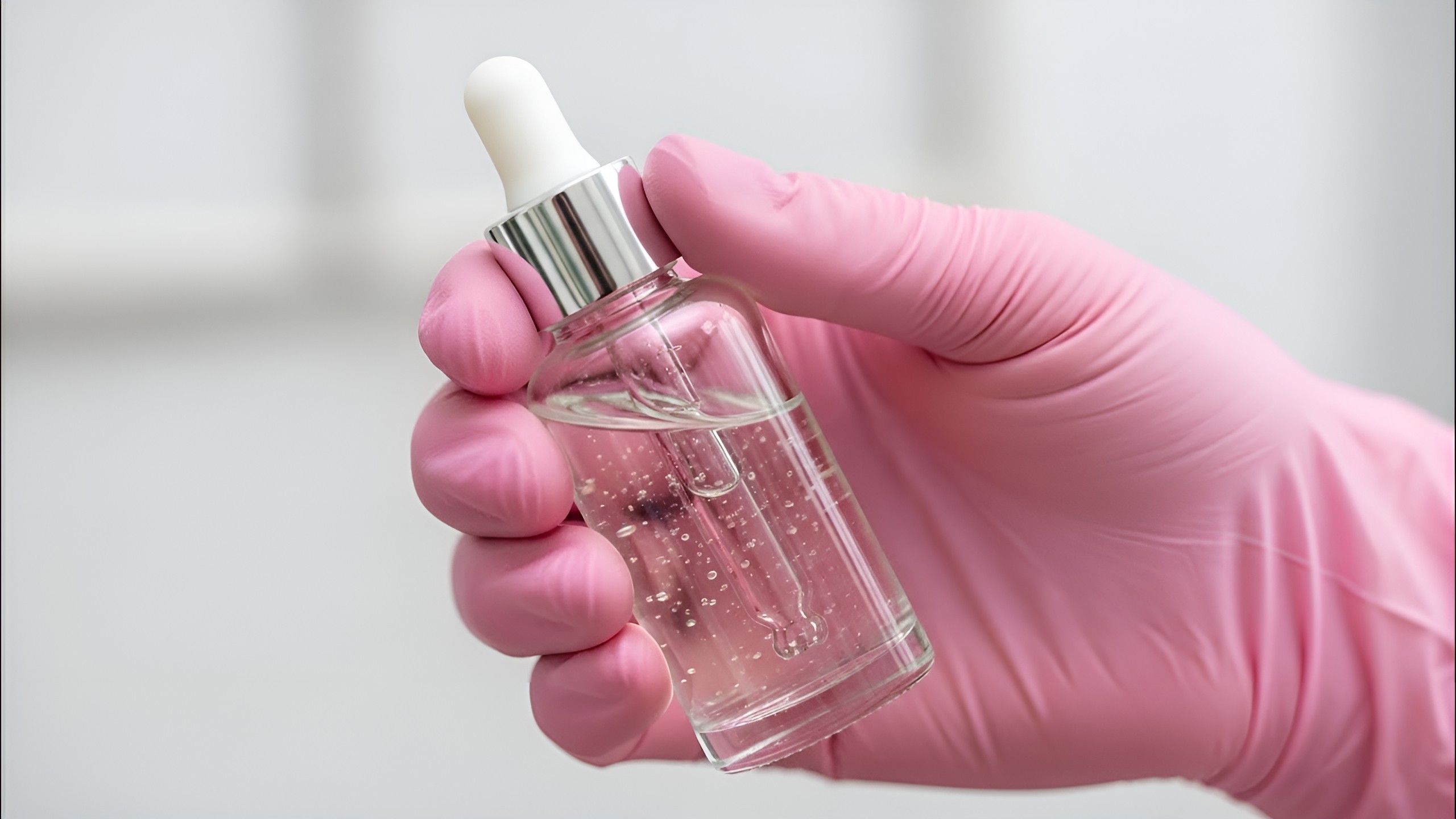
This comprehensive guide presents a professional step-by-step formulation for a lightweight, water-based Argireline Botox Alternative Serum. Combined with Low Molecular Weight Hyaluronic Acid, Niacinamide, Panthenol, and Glycerin, this formulation delivers deep cellular hydration, restores the skin barrier, evens out skin tone, and visibly reduces the appearance of fine lines and expression wrinkles.
Key Benefits and Active Ingredients Overview
To create a balanced, effective anti-aging formulation, every active ingredient in this serum has been strategically selected to target specific skin layers and anatomical mechanisms.
1. Argireline Solution (Acetyl Hexapeptide-8)
Argireline is a synthetic peptide derived from natural proteins. It mimics the N-terminal end of the SNAP-25 protein and competes with the natural protein for a position in the SNARE complex. By destabilizing this complex, it reduces the release of acetylcholine, the neurotransmitter responsible for muscle movement. Consequently, muscle contractions are softened, preventing and diminishing dynamic facial wrinkles over consistent use. Furthermore, Argireline stimulates natural collagen production, helping to improve skin firmness over time.
2. Low Molecular Weight Hyaluronic Acid (LMW HA)
Unlike high molecular weight hyaluronic acid, which remains on the skin surface to form a film, low molecular weight hyaluronic acid penetrates deep into the epidermal layers. It acts as a powerful humectant, binding up to 1,000 times its weight in water. This deep penetration provides intense plumpness, restores lost volume, reduces deep-set dry lines, and improves overall skin elasticity.
3. Niacinamide (Vitamin B3)
Niacinamide is a multi-functional active ingredient that regulates sebum production, tightens enlarged pores, and strengthens the lipid skin barrier. It inhibits melanosome transfer, making it highly effective at fading hyperpigmentation and evening out skin tone. Additionally, its anti-inflammatory properties soothe delicate and irritated skin types.
4. Pro-Vitamin B5 (Panthenol)
Panthenol is a renowned skin protectant and soothing agent. It converts into pantothenic acid within the skin, accelerating cellular repair, supporting epidermal barrier function, and locking in hydration. It works synergistically with Niacinamide and Glycerin to soothe sensitivity and redness.
5. Vegetable Glycerin
A classic and indispensable humectant, Glycerin draws moisture from the atmosphere and deeper dermal layers into the stratum corneum. It works alongside Hyaluronic Acid to ensure multi-layer hydration throughout the day.
6. Xanthan Gum
Xanthan gum is a natural polysaccharide produced through the fermentation of glucose or sucrose by Xanthomonas campestris. In this formulation, it serves as a thickening agent and rheology modifier, transforming the liquid solution into a smooth, elegant, non-greasy gel texture while stabilizing the overall emulsion.
Equipment, Hygiene, and Laboratory Safety Standard
Formulating water-based skincare products requires strict adherence to hygiene standards to prevent microbial contamination. Because water is a breeding ground for bacteria, yeast, and mold, proper sanitation procedures must be followed before handling any ingredients.
Required Equipment
- Precision Digital Scale (accurate to 0.01g)
- Glass Beakers (Heat-resistant, various sizes: 100ml, 250ml, 500ml)
- Stainless Steel Spatulas & Stirring Rods
- Mini Hand Blender / Homogenizer
- Digital pH Meter or High-Precision pH Indicator Strips
- Dropper Bottles or Airless Pump Containers (30ml or 50ml capacity)
- Disposable Gloves, Face Mask, and Hair Net
- Isopropyl Alcohol (70% concentration) for sanitization
Sanitation Protocol
- Clean your work station thoroughly using an antibacterial disinfectant.
- Spritz all glass beakers, spatulas, and mixing utensils with 70% Isopropyl Alcohol. Allow them to air-dry completely.
- Wear a clean lab coat or apron, disposable gloves, a face mask, and cover your hair to prevent stray particles from contaminating the product.
- Ensure all raw materials are weighed accurately on a calibrated scale.
Formula & Percentage Breakdown
This recipe is formulated on a weight-by-weight basis (w/w%) totaling 100%. The batch scale can be easily adjusted by converting percentages directly into grams. Below is the master formulation chart for a standard 100g test batch.
| Ingredient Name | Function / Description | Phase | Percentage (%) | Weight for 100g Batch (g) |
| Distilled Water | Solvent / Vehicle | Water Phase | 76.5% | 76.5g |
| Broad-Spectrum Preservative | Anti-microbial protection | Water Phase | 2.0% | 2.0g |
| Low Molecular Weight Hyaluronic Acid | Deep Hydration & Plumping | Water Phase | 2.0% | 2.0g |
| Pro-Vitamin B5 (Panthenol) | Soothing & Barrier Repair | Active Phase | 3.0% | 3.0g |
| Niacinamide (Vitamin B3) | Tone Evening & Pore Refining | Active Phase | 3.0% | 3.0g |
| Argireline Solution | Anti-Wrinkle Peptide | Active Phase | 10.0% | 10.0g |
| Vegetable Glycerin | Humectant | Slurry Phase | 3.0% | 3.0g |
| Xanthan Gum | Natural Gelling Agent | Slurry Phase | 0.5% | 0.5g |
| Total | 100.0% | 100.0g |
Step-by-Step Formulation Procedure
Follow these detailed manufacturing instructions carefully to ensure proper dissolution of active powders and achieve a stable, clear, and elegant final product.
Step 1: Hyaluronic Acid Hydration Phase
- In a clean, sanitized glass beaker (Beaker A), weigh out 76.5g of Distilled Water.
- Add 2.0g of Broad-Spectrum Preservative into the distilled water and mix thoroughly until completely dissolved.
- Sprinkle 2.0g of Low Molecular Weight Hyaluronic Acid Powder slowly over the surface of the water mixture. Do not stir vigorously immediately, as this can create stubborn clumps.
- Cover Beaker A with clean foil or plastic wrap and allow it to sit undisturbed for approximately 4 hours (or overnight). The hyaluronic acid powder will naturally hydrate and swell into a liquid gel.
- After 4 hours, stir gently with a spatula to verify that all hyaluronic acid particles are fully dissolved and no dry clumps remain.
Step 2: Actives Phase Preparation
- In a second sanitized glass beaker (Beaker B), measure out the remaining water-soluble active powders and liquid actives.
- Add 3.0g of Panthenol into Beaker B and stir gently until dissolved.
- Add 3.0g of Niacinamide Powder into the beaker and stir continuously until the solution is completely clear.
- Add 10.0g of Argireline Peptide Solution into Beaker B and mix gently to combine all actives.
- Slowly pour the contents of Beaker B (Actives Phase) into Beaker A (Hydrated Hyaluronic Acid Gel) while stirring continuously to form a uniform liquid mixture.
Step 3: Xanthan Gum Slurry & Thickening
- In a small, clean glass container or bowl, mix 3.0g of Vegetable Glycerin with 0.5g of Xanthan Gum Powder.
- Stir the glycerin and xanthan gum together using a small spatula until a smooth, uniform slurry is formed. Slurrying the xanthan gum in glycerin first coats the gum particles, preventing clumping when added to the water phase.
- Slowly pour the xanthan gum slurry into the combined serum beaker (Beaker A + B) while stirring constantly.
- Use a mini hand blender or high-shear mixer on low speed for 30–60 seconds to homogenize the mixture. You will observe the liquid transforming into a smooth, silky, light gel texture.
Step 4: De-aeration and Resting
- Cover the beaker and let the formulation rest for 30 to 60 minutes to allow air bubbles introduced during blending to rise to the surface and dissipate.
Step 5: pH Testing and Calibration
- Take a small sample of the serum and test its pH level using a calibrated digital pH meter or high-precision pH strips.
- The optimal target pH range for this formula is 5.5 to 6.0, which aligns with the skin’s natural acid mantle and maintains stability for Niacinamide and Argireline.
- If the pH is too high (above 6.0), add a drop of a 10% Citric Acid solution and re-test. If the pH is too low (below 5.0), add a drop of a 10% Sodium Hydroxide solution. Adjust cautiously in tiny increments.
Step 6: Packaging
- Once the target pH is confirmed, transfer the serum into sterilized 30ml amber or frosted glass dropper bottles, or airless pump containers.
- Label the packaging clearly with the product name, manufacturing date, shelf life (typically 6–12 months), and batch number.
How to Store and Apply the Serum
Storage Recommendations
- Store the serum in a cool, dry place away from direct sunlight, excess heat, and humidity.
- Ensure the dropper cap or pump is tightly sealed after each use to prevent oxidation and evaporation.
- Recommended shelf life is 6 to 12 months under proper storage conditions.
Usage Instructions
- Patch Testing: Before incorporating the serum into a regular skincare routine, apply a small drop behind the ear or on the inner forearm. Wait 24 hours to monitor for any localized irritation or hypersensitivity.
- Cleansing: Begin by cleansing the face thoroughly with a mild facial cleanser to remove oil and impurities.
- Application: Apply 3 to 4 drops of the serum onto slightly damp skin or immediately following a hydrating facial toner. The presence of surface moisture allows the Hyaluronic Acid to draw water into the deeper epidermal layers effectively.
- Frequency: Use twice daily—once during the morning routine and once during the evening routine.
- Layering: Follow up with a moisturizer or facial oil to lock in hydration and prevent trans-epidermal water loss (TEWL). Always finish morning routines with a broad-spectrum sunscreen.
Troubleshooting & Formulating Tips
1. Clumping during thickening
If xanthan gum forms small gel clumps (“fish eyes”) in the formulation, it means the powder was added directly to water without dispersion. Always pre-mix xanthan gum thoroughly with glycerin or propanediol to form a slurry before introducing it into aqueous solutions.
2. Cloudiness in the serum
Cloudiness can occur if high-shear blending introduces micro-bubbles or if raw materials are not completely dissolved. Allow the batch to sit covered overnight for micro-bubbles to release naturally. Ensure Niacinamide and Hyaluronic Acid are completely dissolved in water before mixing.
3. Preservative selection
Always choose a reliable, broad-spectrum preservative system (such as Liquid Germall Plus, Phenoxyethanol/Ethylhexylglycerin, or Geogard ECT) compatible with a pH range of 5.0 to 6.0. Water-based serums are susceptible to bacterial, yeast, and fungal contamination if unpreserved.
Frequently Asked Questions (FAQ)
Can Argireline replace professional Botox injections?
While Argireline works via a similar neurological pathway by relaxing facial muscle expression, it operates topically on the upper layers of the skin. It offers a gentle, non-invasive reduction in fine lines over consistent, long-term use. It does not freeze muscles completely like medical-grade injectable neurotoxins, making it ideal for natural expression softening and preventative anti-aging.
Is this serum suitable for acne-prone or sensitive skin?
Yes. This formulation is water-based, oil-free, non-comedogenic, and lightweight. Niacinamide helps regulate excess sebum production while Panthenol soothes inflammation, making it suitable for oily, combination, and sensitive skin types.
Why is Low Molecular Weight Hyaluronic Acid used instead of High Molecular Weight?
High Molecular Weight Hyaluronic Acid has a large molecular size that remains on top of the stratum corneum, providing surface moisture and forming a film. Low Molecular Weight Hyaluronic Acid features smaller molecules that penetrate deeper into the skin layers, delivering long-lasting structural moisture and plumping fine lines from within.
Can I mix Argireline with Vitamin C or Direct Acids?
It is generally recommended to avoid combining peptides like Argireline directly in the same routine with strong direct acids (such as glycolic acid, lactic acid, or low-pH L-Ascorbic Acid). Low pH environments (below pH 4.0) can cause peptide degradation through hydrolysis. Use direct acids or Vitamin C in your morning routine and peptide serums in your evening routine for best results.
How long does it take to see visible skin improvements?
With twice-daily application, improvements in skin hydration and barrier function can be observed within 3 to 7 days. Noticeable reductions in expression lines and dynamic wrinkles typically become visible after 4 to 6 weeks of continuous usage.
Conclusion
Formulating a DIY Argireline Botox Alternative Serum is a rewarding process that combines advanced cosmetic science with clean, functional skincare. By combining high concentrations of active peptides with multi-layer humectants, soothing agents, and skin-barrier supporters, this serum provides professional-grade results in a lightweight, daily format. Following clean manufacturing practices, accurate measuring, and correct pH adjustments will ensure a safe, high-performing product suitable for commercial production or personal skincare routines.