DIY 2-Ingredient Oil-Based Vitamin C Facial Serum
The modern cosmetic industry is experiencing a massive paradigm shift toward minimalistic, high-potency formulations. Skincare enthusiasts and indie brand developers alike are moving away from overly complicated, water-heavy chemical cocktails in favor of clean, lipid-soluble treatments. Among these innovations, the Oil-Based Vitamin C Facial Serum stands out as an absolute game-changer for achieving radiant, crystal-clear “glass skin.”
Unlike traditional aqueous L-Ascorbic Acid serums—which are notorious for rapid oxidation, color degradation, and skin irritation—lipid-soluble Vitamin C formulations offer unmatched chemical stability, deeper dermal penetration, and exceptional skin tolerance. By paring down the formulation to just two synergistic active ingredients, cosmetic formulators can eliminate the need for harsh synthetic emulsifiers, chemical preservatives, and artificial stabilizers.
In this comprehensive cosmetic science guide, we will explore the cellular mechanisms of lipid-soluble antioxidants, dissect the individual properties of the key actives, establish rigorous safety and sanitation standards, outline a professional master batch formula, and provide a step-by-step manufacturing protocol to help you create a commercial-grade facial serum from scratch.
The Dermatological Science Behind Oil-Based Vitamin C Formulations
To understand why an anhydrous (water-free) oil-based Vitamin C serum is superior for skin rejuvenation, formulators must analyze the biological structure of the human skin barrier.
The outermost layer of the epidermis, the stratum corneum, consists of corneocytes surrounded by a dense intercellular lipid matrix of ceramides, cholesterol, and free fatty acids. Water-soluble molecules face a natural barrier when trying to penetrate this lipophilic structure. Traditional L-Ascorbic Acid requires a highly acidic pH (below 3.5) to remain active, which frequently disrupts the skin’s acid mantle, leading to erythema, burning sensations, and impaired barrier function.
Lipid-soluble Vitamin C derivatives bypass this limitation effortlessly. Because they share a chemical affinity with the skin’s natural sebum, they seamlessly dissolve into the lipid matrix, delivering potent antioxidant activity directly to deeper epidermal layers without disturbing the skin’s natural pH balance.
Key Dermatological Benefits:
- Enhanced Chemical Stability: Anhydrous formulations contain no water, eliminating the risk of hydrolytic degradation and oxidation.
- Deep Dermal Absorption: Reaches deeper target cells to neutralize free radicals generated by UV radiation and environmental pollution.
- Collagen Synthesis Stimulation: Acts as a vital cofactor in the enzymatic hydroxylation of proline and lysine, strengthening structural proteins and reducing fine lines.
- Hyperpigmentation Reduction: Inhibits the action of the enzyme tyrosinase, preventing dark spot formation, melasma, and post-inflammatory hyperpigmentation (PIH).
Deep-Dive Analysis: The 2 Active Ingredients
This minimalistic formulation relies entirely on the synergy between two ultra-pure, high-performance cosmetic ingredients.
1. Plant Squalane (95.0% Carrier & Bio-identical Emollient)
Squalane is a hydrogenated, non-comedogenic derivative of squalene—an organic compound naturally present in human sebum (accounting for roughly 10–12% of skin lipids).
- Mechanism of Action: Because of its bio-identical nature, plant-derived squalane integrates smoothly into the epidermal barrier. It restores flexibility and prevents Transepidermal Water Loss (TEWL) without suffocating the pores or leaving a heavy, greasy film behind.
- Cosmetic Function: It serves as an ultra-lightweight, fast-absorbing carrier medium that safely delivers the active Vitamin C derivative into the skin.
- Skin Suitability: Non-comedogenic, hypo-allergenic, and suitable for dry, sensitive, and combination skin types.
2. Tetrahexyldecyl Ascorbate / THDA (5.0% Active Lipid Vitamin C)
Tetrahexyldecyl Ascorbate (THDA) is an esterified derivative of Vitamin C modified with four branched fatty acid chains.
- Mechanism of Action: Unlike pure L-Ascorbic Acid, THDA is extremely stable against heat, light, and air exposure. Once absorbed into the skin cells, cellular enzymes cleave the fatty acid chains, releasing pure active ascorbic acid right where it is needed.
- Cosmetic Function: Powerful antioxidant protection, tyrosinase inhibition for brightening, collagen boosting, and fading of stubborn hyperpigmentation.
- Skin Suitability: Non-acidic and exceptionally gentle, making it safe for individuals who cannot tolerate traditional acidic Vitamin C treatments.
Laboratory Equipment & Sanitation Protocol
Formulating high-performance skincare products requires strict adherence to Good Manufacturing Practices (GMP) to maintain product purity and extend shelf life.
Laboratory Equipment Checklist:
- Precision Digital Scale: Accurate down to 0.01g for precise chemical measurements.
- Glass Beakers: Pyrex or laboratory-grade borosilicate glass beakers.
- Stainless Steel Spatula / Stirring Rod: High-grade stainless steel or solid glass for gentle cold-blend mixing.
- Amber Glass Dropper Bottles: Dark amber or UV-protected glass bottles to shield active ingredients from light exposure.
- 70% Isopropyl Alcohol Spray: For full lab equipment and workstation surface sterilization.
Personal Protective Equipment (PPE) Requirements:
- Nitrile Gloves: Protects raw ingredients from skin oils and microbial cross-contamination.
- Protective Face Mask: Prevents airborne particles from contaminating the liquid batch during open mixing.
- Hair Cover / Hairnet: Secures hair safely away from the laboratory workspace.
Master Formula & Percentage Breakdown
The master formulation table below outlines the exact ratios for a 100g sample batch and a 1000g (1kg) commercial production batch:
| Phase | INCI Name | Trade / Common Name | Function / Purpose | Weight (%) | 100g Batch | 1000g Batch |
| Phase A | Squalane | Plant Squalane (Olive/Sugar-derived) | Bio-identical Carrier & Lipid Restorer | 95.0% | 95.0 g | 950.0 g |
| Phase A | Tetrahexyldecyl Ascorbate | THDA / Oil-Soluble Vitamin C | Lipid-Soluble Antioxidant & Brightener | 5.0% | 5.0 g | 50.0 g |
| Total | 100.0% | 100.0 g | 1000.0 g |
Step-by-Step Cold-Process Manufacturing Workflow
Because this formulation is completely anhydrous and requires no heating, it follows a simple, heat-free cold-process manufacturing method.
Detailed Operational Steps:
- Workstation Sterilization: Spray all countertops, glass beakers, spatulas, and dropper bottles thoroughly with 70% Isopropyl Alcohol. Allow everything to air-dry completely. Put on your nitrile gloves, protective mask, and hair cover.
- Weighing Phase A Base: Place a sterile glass beaker onto your digital scale and tare the balance to 0.00g. Carefully pour in 95.0g of Plant Squalane.
- Adding Active Component: Slowly measure out and add 5.0g of Tetrahexyldecyl Ascorbate (THDA) directly into the beaker containing the squalane.
- Homogenization: Stir the liquid gently using a sterile stainless steel spatula or glass rod. Because both ingredients are fully oil-miscible, they will integrate smoothly within 60 to 90 seconds, producing a clear, transparent, lightweight liquid.
- Packaging: Carefully pour the finished serum into sanitized amber glass dropper bottles. Seal the dropper assemblies tightly and clean the exterior of the containers.
- Product Labeling: Attach your product packaging labels detailing ingredients, usage instructions, batch numbers, and production dates.
Stability, Preservation & Shelf-Life Science
Formulators often ask whether an oil serum requires added preservatives.
Why No Synthetic Preservatives Are Needed:
Microorganisms (bacteria, yeast, and mold) require free water to reproduce and grow. Because this Vitamin C formulation is 100% anhydrous (water-free), it does not support microbial proliferation. Therefore, synthetic liquid preservatives like Phenoxyethanol or Parabens are unnecessary.
Optional Antioxidant Support:
While THDA is highly resistant to oxidation, adding 0.2%–0.5% Tocopherol (Vitamin E) to the formula can help protect the squalane carrier oil from rancidity over extended periods, extending shelf life beyond 18 to 24 months.
Usage Instructions, Skin Compatibility & Patch Testing
To ensure customer satisfaction and maximum dermatological benefit, include proper application protocols on your product label or website.
Application Instructions:
- Cleanse: Wash the face thoroughly using a gentle cleanser and pat the skin completely dry.
- Apply: Dispense 2 to 3 drops of the oil serum onto fingertips or directly onto cheeks. Gently massage into the skin using upward circular motions until fully absorbed.
- Timing: Best applied as part of an evening (nighttime) skincare routine to allow active antioxidants to repair the skin barrier overnight.
- Consistency is Key: Skin brightening, collagen support, and hyperpigmentation reduction require consistent daily use over several weeks.
Essential Patch-Testing Safety Protocol:
Even though THDA and Squalane are mild and gentle, a patch test is recommended before introducing any active cosmetic formula:
- Apply 1 drop of serum to the inner forearm or behind the ear.
- Monitor the area for 24 hours.
- If no redness, itching, or inflammation occurs, the product is safe for full facial application.
Commercial Labeling & Regulatory Compliance
If you plan to sell this serum under your own brand, your packaging labels must follow cosmetic regulatory guidelines.
Compliant Label Blueprint:
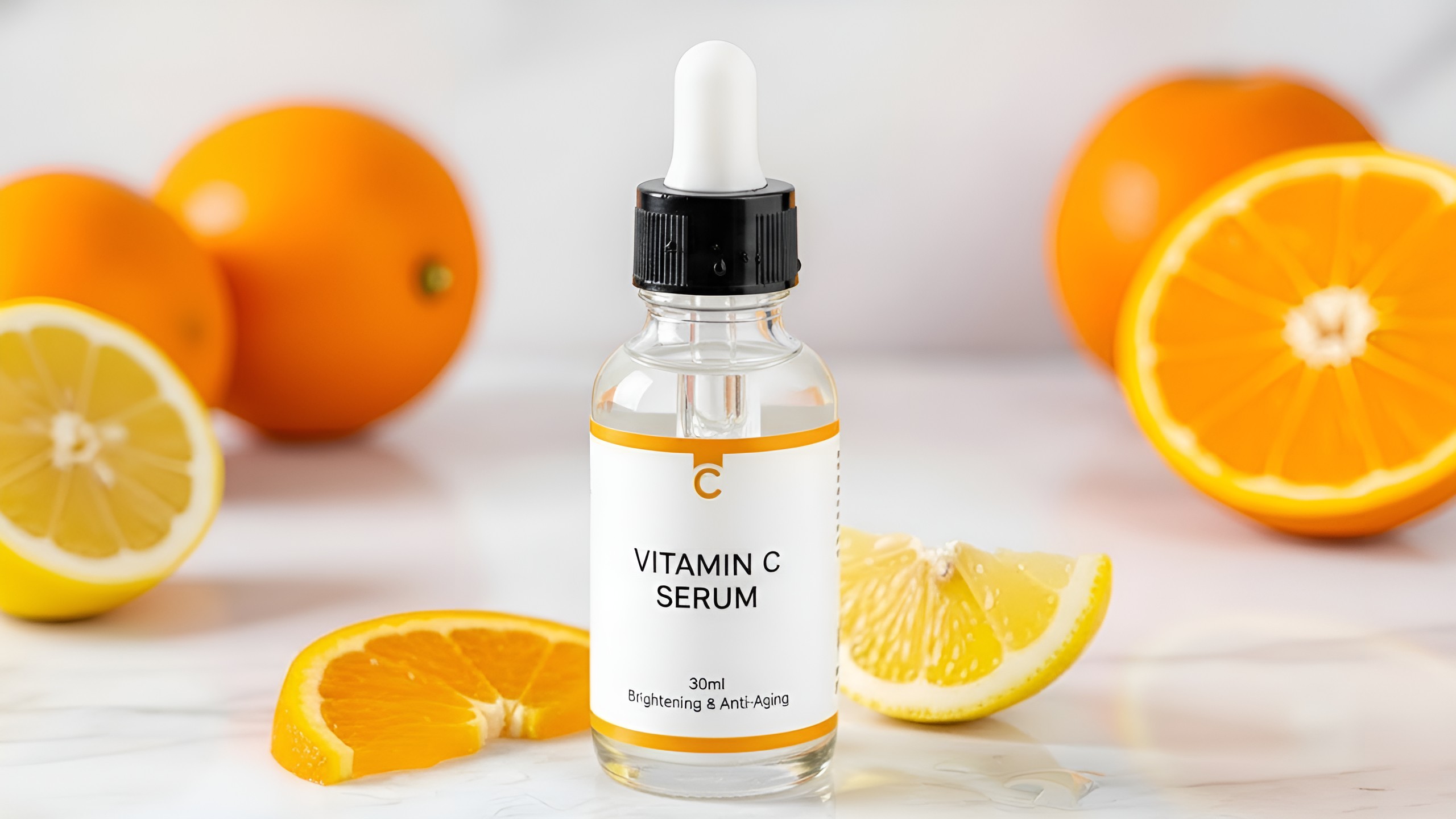
- Front Panel: Brand Name, Product Title (e.g., Ultra-Brightening Lipid Vitamin C Facial Serum), Net Volume (e.g., 30ml / 1 fl. oz.).
- Back Panel (INCI List in Descending Order of Concentration):Ingredients: Squalane, Tetrahexyldecyl Ascorbate.
- Usage Directions: Massage 2–3 drops onto clean, dry facial skin nightly.
- Safety Warnings: For external use only. Avoid direct contact with eyes. Keep out of reach of children. Store in a cool, dark place.
- Manufacturer Info: Business Name, Address, Website, Lot/Batch Number, and Expiration Date.
Frequently Asked Questions (FAQs)
Q1: Can I substitute Squalane with natural plant oils like Jojoba or Rosehip oil?
Answer: Yes, you can substitute squalane with lightweight plant oils such as Jojoba Oil, Caprylic/Capric Triglycerides (Fractionated Coconut Oil), or Rosehip Oil. However, plant oils have a higher natural oxidation rate, so adding 0.5% Tocopherol (Vitamin E) is strongly recommended to protect against rancidity.
Q2: Why is this serum clear instead of orange or yellow?
Answer: Pure Tetrahexyldecyl Ascorbate (THDA) and Plant Squalane are both naturally clear to pale straw-colored liquids. Artificial orange coloring in commercial Vitamin C products is often added purely for marketing. True high-clarity lipid Vitamin C serums remain clear when un-dyed.
Q3: How long does this oil serum take to show skin brightening results?
Answer: Clinical studies on THDA show noticeable improvements in skin tone, smoothness, and radiance within 4 to 8 weeks of consistent daily application.
Conclusion & Next Steps for Formulators
Formulating a professional Oil-Based Vitamin C Facial Serum proves that cosmetic formulations do not need dozens of complex ingredients to deliver exceptional results. By pairing bio-identical plant squalane with lipid-soluble THDA, you create a stable, highly effective, non-irritating product that delivers radiant, youthful “glass skin”.
Start by crafting small 100g test batches, perfect your sanitation and bottling routines, and expand your indie skincare line with clean, science-backed formulations!
🎥 Source Video Reference
This formulation guide is adapted from the cosmetic science series by Dr Dewi on YouTube: