
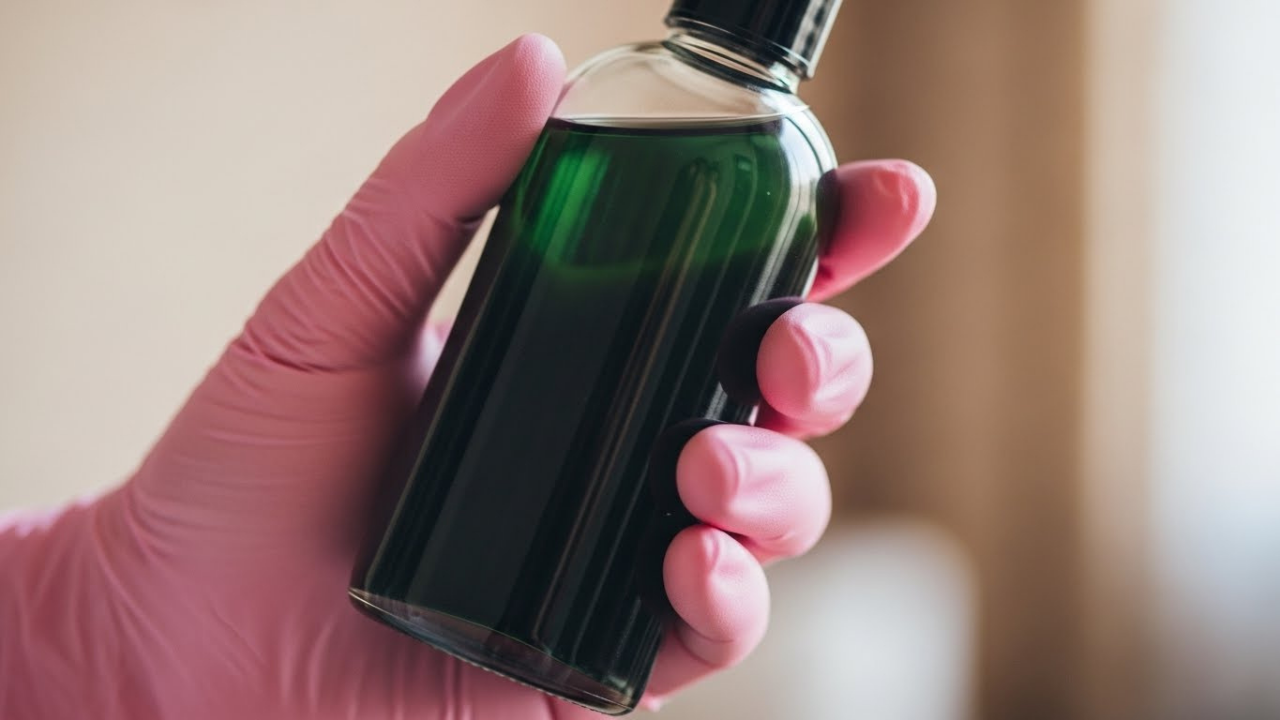
Herbal Henna Hair Growth Oil Scalp Stimulation, Density & Dandruff Control Recipe
Across ancient Ayurvedic traditions and Middle Eastern holistic beauty practices, Henna (Lawsonia inermis) has been revered as a master herb for hair restoration. Traditionally applied as a wet paste, classic henna masks deliver intense conditioning and scalp purification. However, traditional paste applications present notable challenges for modern consumers: they are messy, time-consuming, hard to rinse, and often impart an orange-red pigment that may not suit everyone’s cosmetic preferences.
1. Introduction & The Evolution of Anhydrous Botanical Haircare
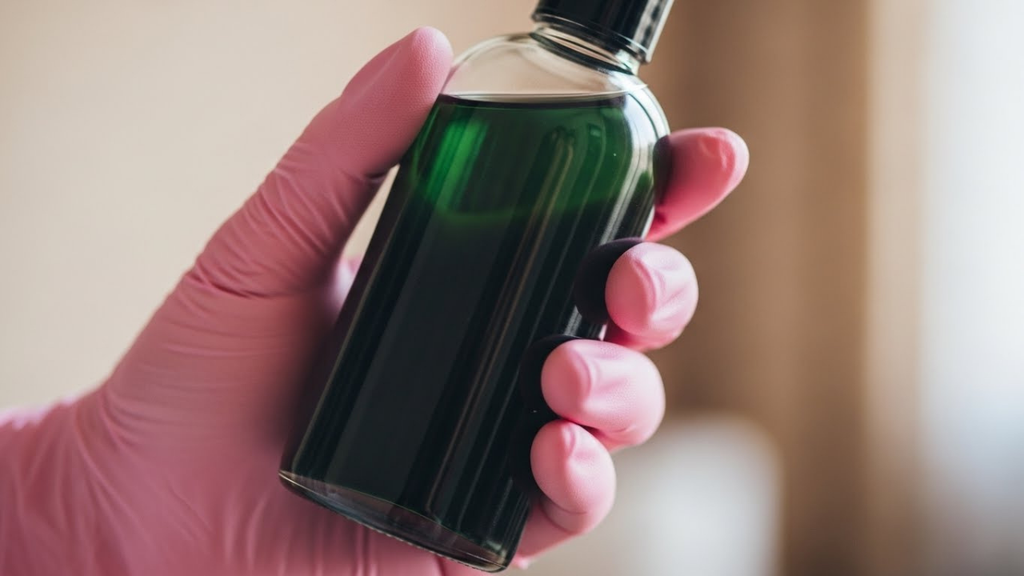
To capture the therapeutic advantages of henna without the mess, processing time, or permanent color staining, modern cosmetic formulators utilize Anhydrous Botanical Lipid Infusions. By gently infusing whole and powdered Ayurvedic herbs directly into a stable carrier oil base over low, controlled heat, lipophilic phytonutrients are extracted into a versatile hair oil.
This formulated Henna-Infused Hair Growth Oil serves as a dual-action scalp treatment and hair shaft conditioner. It delivers active botanical nutrients directly to the hair follicle, improves microcirculation, calms scalp inflammation, eliminates dandruff-causing fungal activity, and stimulates dormant follicles in thinning areas.
This comprehensive formulation guide outlines the underlying botanical chemistry, active ingredient profiles, master percentage tables, laboratory sanitation protocols, step-by-step hot-infusion manufacturing methods, and commercial batch scaling calculations.
2. In-Depth Active Ingredient Profiles & Master Formulation Table
Understanding the synergy between herbal powders, essential lipids, and antioxidants is critical for formulators aiming to design high-performance hair treatments.
Master Formulation Table
| Phase | Ingredient Name | Botanical / INCI Name | Percentage (% w/w) | Master Weight (100g Batch) | Primary Function |
| A (Lipid Base) | Sweet Almond Oil | Prunus Amygdalus Dulcis Oil | 85.0% | 85.0 g | Lightweight Carrier Base & Emollient |
| B (Botanical Active) | Henna Powder | Lawsonia Inermis Leaf Powder | 10.0% | 10.0 g | Follicle Fortifier & Astringent |
| B (Botanical Active) | Sidr Powder | Ziziphus Spina-Christi Leaf Powder | 1.0% | 1.0 g | Volumizing Cleansing Tonic |
| B (Botanical Active) | Amla Powder | Emblica Officinalis Fruit Powder | 1.0% | 1.0 g | Vitamin C & Pigment Inhibitor |
| B (Botanical Active) | Rosemary Leaves | Rosmarinus Officinalis Leaf Powder | 0.5% | 0.5 g | Circulatory & Microvascular Stimulant |
| B (Botanical Active) | Clove Powder | Syzygium Aromaticum Flower Powder | 0.5% | 0.5 g | Antiseptic & Antioxidant Active |
| B (Botanical Active) | Hibiscus Petals | Hibiscus Rosa-Sinensis Flower Powder | 0.5% | 0.5 g | Amino Acid & Keratin Enhancer |
| C (Antioxidants) | Vitamin E | Tocopherol | 1.0% | 1.0 g | Natural Lipid Antioxidant |
| C (Commercial Stabilizer) | BHT (Optional) | Butylated Hydroxytoluene | 0.5% | 0.5 g | Industrial Anti-Rancidity Inhibitor |
| Total | 100.0% | 100.0 g | Complete Formulation Matrix |
Botanical Active & Phytochemical Analysis
- Sweet Almond Oil (Prunus Amygdalus Dulcis): Serves as a lightweight carrier oil base rich in Oleic Acid (Omega-9), Linoleic Acid (Omega-6), Vitamin E, and Magnesium. Its low molecular viscosity allows it to penetrate the hair shaft cuticle to reduce hygral fatigue and seal split ends while carrying lipophilic herbal extractives into the follicular infundibulum.
- Henna Powder (Lawsonia inermis): Contains Lawsone (2-hydroxy-1,4-naphthoquinone), tannins, flavonoids, and gallic acid. Henna binds to keratin proteins, strengthening fragile hair strands and increasing shaft diameter. Its natural astringent and antimicrobial properties regulate excess sebum production, calm scalp itchiness, and nourish hair roots.
- Sidr / Jujube Powder (Ziziphus Spina-Christi): Rich in mucilage, peptide alkaloids, cyclopeptides, and saponins. Sidr acts as a natural cleanser and conditioning agent. It coats the hair shaft in a protective film that retains moisture, increases structural volume, and balances scalp lipid secretions without stripping natural oils.
- Amla Powder (Emblica Officinalis / Phyllanthus Emblica): High concentration of Ascorbic Acid (Vitamin C), ellagitannins, and gallic acid. Amla is a traditional Ayurvedic tonic used to delay premature graying and strengthen hair follicles. It inhibits 5-alpha reductase activity, stimulates follicular microcirculation, and adds a natural shine to dull hair.
- Rosemary (Rosmarinus Officinalis): Concentrated in carnosic acid, rosmarinic acid, and 1,8-cineole. Rosemary stimulates scalp microcirculation, delivering essential oxygen and nutrients to active hair roots. Its antimicrobial activity reduces Malassezia fungal overgrowth, preventing dandruff and associated scalp irritation.
- Clove (Syzygium Aromaticum): Rich in Eugenol, eugenyl acetate, and beta-caryophyllene. Eugenol acts as a local circulatory stimulant and antiseptic. It purifies the scalp, combats fungal irritation, and shields hair roots from oxidative stress caused by environmental free radicals.
- Hibiscus (Hibiscus Rosa-Sinensis): Rich in amino acids, alpha-hydroxy acids (AHAs), and anthocyanins. Hibiscus stimulates keratin production within the hair bulb, encouraging cell proliferation in dormant follicles. Its mucilage content smooths the cuticle matrix, reducing friction and tangles.
- Vitamin E (Tocopherol) & BHT (Butylated Hydroxytoluene): Vitamin E neutralizes free radicals while protecting unsaturated lipids in sweet almond oil from oxidative rancidity. For commercial products, BHT acts as a synthetic antioxidant that prevents lipid rancidity and off-odors over extended shelf lives. (Note: BHT may be omitted for personal-use formulations).
3. Laboratory Setup, PPE Standards & Sanitization SOPs
Maintaining clean production standards during oil infusions prevents particulate contamination and maintains product stability.
Sanitization Protocol:
- Surface Disinfection: Wipe all laboratory benchtops with 70% Isopropyl Alcohol (IPA) and allow them to air dry completely for 3 minutes.
- Personal Protective Equipment (PPE): Wear powder-free nitrile gloves, a lab coat, a face mask, and a hair restraint to prevent contamination during processing.
- Utensil Sterilization: Wash all glass beakers, spatulas, strainers, and storage bottles with warm soapy water. Rinse thoroughly with distilled water, spray with 70% IPA, and dry completely. Ensure no water droplets remain in beakers, as moisture destabilizes anhydrous oils.
4. Step-by-Step Manufacturing Protocol & Thermal Infusion
To extract active phytonutrients without degrading heat-sensitive vitamins, formulators use a low-temperature, long-duration Bain-Marie (Double Boiler) Infusion Method.
Step 1: Herbal & Lipid Blending
- Place a sterile borosilicate glass beaker on a digital scale and tare to zero.
- Weigh out the botanicals accurately: 10.0% Henna, 1.0% Sidr, 1.0% Amla, 0.5% Rosemary, 0.5% Clove, and 0.5% Hibiscus.
- Pour 85.0% Sweet Almond Oil over the botanical mixture.
- Stir thoroughly with a glass rod to ensure all dry powders are fully submerged in the lipid base.
Step 2: Thermal Extraction Phase (4-Hour Infusion)
- Cover the beaker with a clean watch glass or aluminum foil to prevent volatile compounds from escaping.
- Set up a Bain-Marie (double boiler) with water maintained at a gentle simmer (50°C–60°C). Place the beaker into the water bath.
- Heat the mixture continuously for 4 hours. Stir gently every 30 minutes to facilitate phytonutrient extraction into the oil.
Step 3: Primary Filtration
- Remove the beaker from the water bath.
- Pour the warm oil mixture through a fine stainless-steel mesh strainer to remove coarse botanical residues.
Step 4: Antioxidant Solubilization (Commercial Grade)
- While the strained oil remains warm (~45°C–50°C), add 0.5% BHT (if manufacturing a commercial batch).
- Stir continuously until the BHT crystals fully dissolve into the warm oil matrix.
Step 5: Secondary Micro-Filtration
- Pass the oil through a secondary micro-filtration layer (such as multi-layered cheesecloth or an unbleached coffee paper filter).
- Allow the oil to filter slowly without squeezing the filter bag forcibly, ensuring all micro-particles of henna powder are removed. This yields a clear, deep golden-green oil free of gritty sediment.
Step 6: Cool-Down & Vitamin E Incorporation
- Allow the filtered oil to cool down completely to room temperature (<30°C).
- Add 1.0% Vitamin E (Tocopherol) and stir thoroughly for 2 minutes to ensure complete homogenization.
- Pour the finished Henna Hair Oil into sanitized amber glass dropper bottles or pump containers. Seal tightly and label.
5. Commercial Batch Scaling & Unit Costing Analysis
To scale this formulation from laboratory testing to commercial production, convert all measurements to percentage weight by weight (% w/w). Below is the scaling breakdown for a 1,000g (1 kg) master batch.
| Ingredient | Percentage Formula (% w/w) | 1,000g Batch Weight | Functional Category |
| Sweet Almond Oil | 85.00% | 850.00 g | Carrier Lipid Base |
| Henna Powder | 10.00% | 100.00 g | Follicle Fortifier |
| Sidr Powder | 1.00% | 10.00 g | Volumizing Scalp Tonic |
| Amla Powder | 1.00% | 10.00 g | Vitamin C / Pigment Active |
| Vitamin E (Tocopherol) | 1.00% | 10.00 g | Lipid Antioxidant |
| Rosemary Leaves | 0.50% | 5.00 g | Microcirculation Active |
| Clove Powder | 0.50% | 5.00 g | Antiseptic Stimulant |
| Hibiscus Petals | 0.50% | 5.00 g | Amino Acid Tonic |
| BHT (Commercial) | 0.50% | 5.00 g | Rancidity Inhibitor |
| Total | 100.00% | 1,000.00 g (1.0 kg) | Master Batch |
6. Troubleshooting Common Formulation Defects
| Issue | Root Cause | Corrective Action |
| Gritty Sediment at Bottom of Bottle | Incomplete filtration; fine powder passed through primary mesh. | Perform secondary micro-filtration using coffee filters or 5-micron filter bags. |
| Rancid / Stale Odor Over Time | Lipid oxidation caused by excessive heat or lack of antioxidants. | Keep infusion temp below 60°C; ensure Vitamin E & BHT are added post-infusion. |
| Unwanted Staining on Light Hair/Skin | Infusion temperature was too high, releasing excessive Lawsone pigment. | Maintain infusion temperature strictly below 60°C. |
| Dark / Burnt Oil Appearance | Direct heat scorching of delicate botanical powders. | Always use a Bain-Marie double boiler system; never heat directly. |
7. Application Protocols & Consumer Usage Guidelines
To achieve optimal results for hair growth and scalp restoration, educate consumers on proper usage methods:
- Pre-Wash Hot Oil Scalp Treatment: Apply 5–10 mL of Henna Oil directly onto dry scalp zones. Massage firmly using fingertips for 5 minutes to stimulate microcirculation and promote ingredient absorption.
- Dwell Time: Leave the oil treatment on the scalp for 1 hour prior to showering. For deeper conditioning, cover hair with a thermal shower cap.
- Rinsing & Frequency: Wash out using a gentle sulfate-free clarifying shampoo. Use 1 to 2 times weekly for consistent results.
8. Comprehensive Formulator FAQ Section
Q1: Will this Henna Hair Oil dye blonde, gray, or light-colored hair?
No. Lawsone molecules require an acidic aqueous environment to fully release dye compounds. Because this is an anhydrous oil infusion processed under low heat, the color release is minimal, making it safe for regular use without staining hair.
Q2: Can I substitute Sweet Almond Oil with other carrier oils?
Yes. You can substitute or blend Sweet Almond Oil with Jojoba Oil, Sesame Oil, Light Mineral Oil, or Fractionated Coconut Oil (MCT) based on target viscosity and cost requirements.
Q3: Is it necessary to include BHT in home-made batches?
No. BHT is an industrial anti-rancidity agent recommended for commercial products with long retail distribution chains. For home or artisanal batches, Vitamin E (Tocopherol) alone at 1.0% provides sufficient antioxidant protection.
🎥 Source Reference
Formulation protocol adapted from Dr Dewi on YouTube