
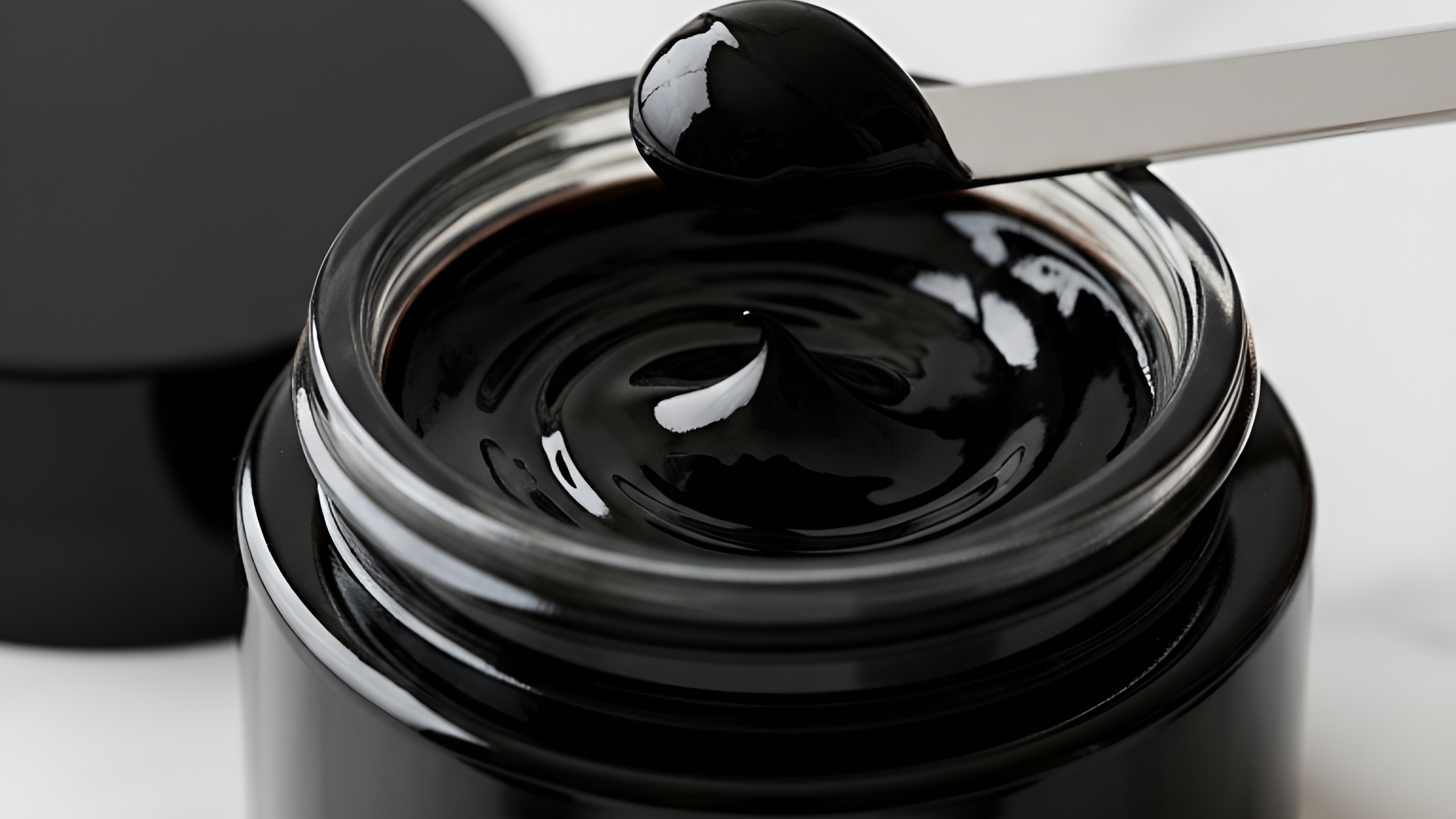
Ultimate DIY Activated Charcoal Mask for Clear Skin
Activated charcoal face masks have earned an enduring status in the skincare industry. Additionally, a charcoal mask draws out impurities, absorbs excess sebum, refines pores, and combats stubborn acne.
Aspiring cosmetic chemists can also benefit from mastering the science of clay and charcoal mask formulation.
This knowledge supports entrepreneurs launching a home or professional line.
In this comprehensive, step-by-step masterclass guide, we will break down the exact chemical formulation, ingredient science, safety protocols, and manufacturing processes required to create an anhydrous, high-performance Activated Charcoal Detoxifying Face Mask.
The Science of Activated Charcoal & Clay Therapy
Before diving into the recipe and step-by-step procedure, it is crucial to understand why this formulation works so effectively on the skin barrier.
1. Activated Charcoal (Adsorption vs. Absorption)
Unlike regular charcoal, activated charcoal undergoes a specialized high-temperature activation process that creates millions of microscopic, porous cavities. This gives activated charcoal an extraordinary surface area. Through adsorption (where molecules adhere to a material’s surface rather than being absorbed into it), activated charcoal acts like a magnet. It binds to environmental pollutants, trapped sebum, dead skin cells, microparticles, and acne-causing bacteria (Cutibacterium acnes), pulling them straight out of the hair follicles and pores.
2. Dual-Clay Synergy: Kaolin and Bentonite
Combining different clays allows formulators to balance structural consistency, drawing power, and skin comfort:
- Kaolin Clay (White Clay): Known as the mildest among natural cosmetics clays, Kaolin absorbs mild oil without stripping the skin’s natural moisture barrier. It acts as an ultra-fine natural defoliant that gently smooths skin texture.
- Bentonite Clay (Volcanic Ash): Formed from aged volcanic ash, Bentonite expands slightly when combined with botanical extracts. It possesses a powerful negative electrical charge when hydrated or suspended, attracting positively charged toxins and heavy metals. Furthermore, Bentonite is rich in trace minerals including magnesium, calcium, silica, and iron, which help revitalize dull complexions.
3. Deep Hydration & Botanical bio-actives
Many commercial charcoal masks suffer from a major flaw: they dry out the skin excessively, leading to compensatory oil overproduction. This formulation solves that issue using botanical extracts:
- Hibiscus Glycerite (Botanical Glycerin Extract): Hibiscus is often dubbed the “Botox plant” due to its rich concentration of natural Alpha-Hydroxy Acids (AHAs) and anthocyanins. AHAs gently encourage cellular turnover and breakdown of dead surface skin cells, while the glycerite base delivers deep humectant hydration, ensuring the skin remains supple after rinsing.
- Aloe Vera Powder: Packed with polyacrylamide, vitamins A, C, and E, and anti-inflammatory compounds, Aloe Vera soothes skin redness, calms active breakouts, and neutralizes free radical damage.
Equipment & Sanitation Protocols to make Activated Charcoal Mask
Formulating professional-grade cosmetic products requires strict adherence to hygiene standards. Contamination can compromise the product’s integrity, shelf life, and safety for end consumers.
Essential Equipment Checklist:
- Digital Precision Scale: Accurate to 0.1g or 0.01g for measuring active botanical ingredients.
- Deep Stainless Steel or Glass Mixing Bowl: Non-reactive materials are imperative when working with active clays.
- Fine Mesh Stainless Steel Sieve/Sifter: Crucial for removing clumps from dry powders to ensure a smooth, velvety texture.
- Silicone Spatulas: Flexible and easy to sanitize for efficient mixing and scraping.
- Glass Beakers & Pipettes: For measuring and incorporating liquid botanical glycerites, preservatives, and essential oils.
- Sanitized Packaging Jars: Glass or high-grade PET plastic cosmetic jars.
- Personal Protective Equipment (PPE):
- nitrite/Latex Gloves
- Protective Face Mask / Respirator (essential when handling fine, airborne particulates like fine charcoal and clay powders)
- Hair Cover / Hairnet
Sensitization Protocol:
- Clean all counter surfaces with a multi-surface detergent followed by a 70% Isopropyl Alcohol spray.
- Wash all glass, stainless steel, and silicone tools in hot soapy water, dry thoroughly, and spray with 70% Isopropyl Alcohol.
- Allow equipment to air-dry completely on fresh paper towels before beginning formulation.
Master Formula & Percentage Breakdown of Activated Charcoal Mask
Cosmetic formulations are calculated in percentages (%) by weight rather than volume to ensure reproducibility, consistency, and Scrabble batch production.
Below is the complete formulation ratio for the Activated Charcoal Cleansing Mask:
| Phase | Ingredient Name | Function / Purpose | Weight (%) | Batch (100g) |
| Phase A | Kaolin Clay (White Clay) | Gentle Oil Absorption & Exfoliation | 27.5% | 27.5 g |
| Phase A | Bentonite Clay (Volcanic Clay) | Deep Detoxification & Mineral Boosting | 27.5% | 27.5 g |
| Phase A | Activated Charcoal Powder | Pore Purification & Sebum Adsorption | 2.0% | 2.0 g |
| Phase A | Aloe Vera Leaf Powder (200x Concentrate) | Soothing, Hydrating & Anti-Inflammatory | 1.0% | 1.0 g |
| Phase B | Hibiscus Glycerite | Deep Humectant Hydration & AHA Renewal | 40.0% | 40.0 g |
| Phase B | Tea Tree Essential Oil (Melaleuca alternifolia) | Antibacterial, Antimicrobial & Anti-Acne | 0.5% | 0.5 g |
| Phase B | Vitamin E (Tocopherol) | Antioxidant Protection & Lipid Stability | 0.5% | 0.5 g |
| Phase B | Broad-Spectrum Preservative | Prevent Microbial Growth & Mold | 1.0% | 1.0 g |
| Total | 100.0% | 100.0 g |
Comprehensive Step-by-Step Manufacturing Process of Activated Charcoal Mask
Step 1: Sanitation & Safety Preparation
Put on your hairnet, medical/protective mask, and disposable gloves. Wipe down all weighing scale trays, mixing bowls, and spatulas with 70% Isopropyl Alcohol.
Step 2: Sifting & Blending Phase A (Dry Ingredients)
- Place your clean, deep mixing bowl onto the digital scale and tare (zero out) the weight.
- Carefully weigh out 27.5g of Kaolin Clay, 27.5g of Bentonite Clay, 2.0g of Activated Charcoal Powder, and 1.0g of Aloe Vera Powder.
- Pass all four dry ingredients through a fine mesh sieve into the deep bowl. Sifting prevents micro-clumping of charcoal and aloe powders, ensuring a smooth consumer experience.
- Using a clean whisk, thoroughly blend the sifted dry powders until a uniform gray mixture is formed.
Step 3: Mixing Phase B (Liquid Actives & Preservatives)
- In a separate sanitized glass beaker, weigh out 40.0g of Hibiscus Glycerite.
- Add 0.5g of Vitamin E (Tocopherol) to protect the botanical lipids and skin barrier.
- Add 0.5g of Tea Tree Essential Oil, known for its potent antibacterial activity against acne-causing bacteria.
- Add 1.0g of a broad-spectrum liquid preservative (compatible with glycerite systems).
- Stir Phase B gently with a glass rod or mini-spatula until completely combined.
Step 4: Combining Phase B into Phase A
- Slowly pour half of the liquid Phase B mixture into the bowl containing the dry Phase A powders.
- Begin blending with a silicone spatula using downward scraping motions.
- Gradually pour in the remaining Phase B while continuously mixing.
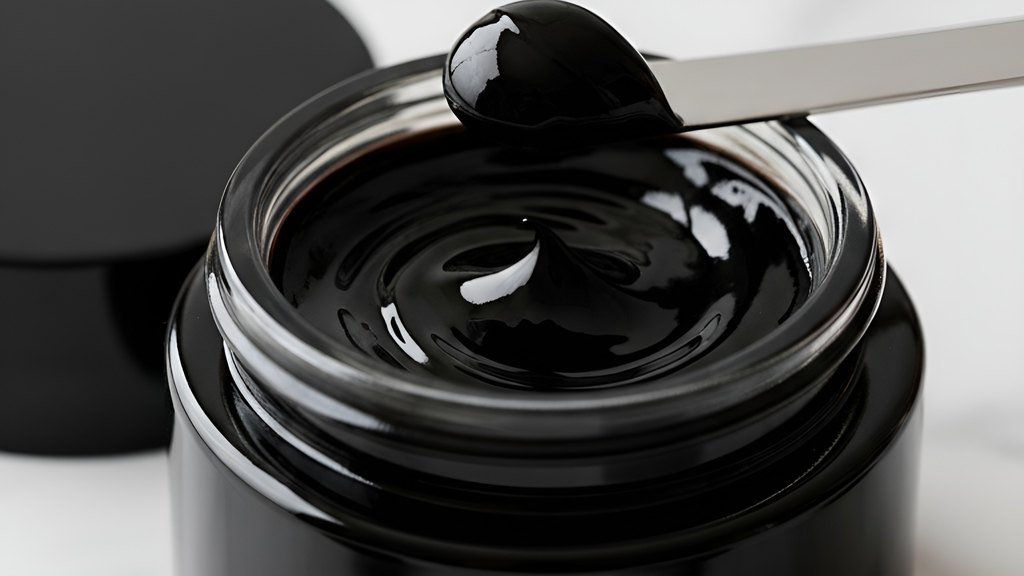
- Stir rigorously until all dry powder particles are fully wet out and a smooth, glossy, rich black mask paste develops. Ensure no dry pockets of clay remain at the bottom of the bowl.
Step 5: Packaging & Finishing
- Using a sanitized spatula or piping bag, transfer the formulated charcoal mask into sterilized cosmetic jars.
- Tap the bottom of the jars gently against the table to eliminate trapped air bubbles.
- Seal tightly with secure lids.
- Affix your branded, professional cosmetic label containing batch numbers, manufacturing dates, net weight, ingredients list, and usage directions.
Detailed Ingredient Deep-Dive & Botanical Benefits of Activated Charcoal Mask ingredients
🌿 Hibiscus Glycerite (The Key Botanical Base)
Unlike standard water-based masks that dry out rapidly and crack on the face, using Hibiscus Glycerite creates a rich humectant environment. Glycerin draws atmospheric moisture directly into the stratum corneum (top layer of skin). Hibiscus sabdariffa extract contributes natural antioxidants, Vitamin C, and mild organic acids that assist in refining skin tone, fading dark spots, and diminishing hyperpigmentation left behind by old acne blemishes.
🖤 Activated Charcoal (The Deep Pore Vacuum)
Activated charcoal is inert and biocompatible. It does not penetrate the bloodstream or react chemically with the skin. Instead, it operates entirely on physical adsorption. It grabs micro-pollutants, excess sebum, dead skin debris, and airborne dirt trapped inside enlarged pores, making it an irreplaceable remedy for blackheads and whiteheads.
⚪ Kaolin & Bentonite clay (The Dual Mineral Engine)
- Kaolin: Has a neutral pH close to healthy skin, making it exceptionally gentle for sensitive skin types. It refines skin surface texture and smooths rough patches.
- Bentonite: Highly absorbent, making it effective for balancing greasy t-zones. It delivers essential minerals that bolster skin vitality while pulling out heavy oily residues.
🍃 Tea Tree Oil & Aloe Vera (The Acne & Calming Duo)
- Tea Tree Essential Oil: A natural antiseptic that reduces inflammation, clears redness, and inhibits bacterial colonization inside clogged hair follicles.
- Aloe Vera: Provides immediate cooling relief, reduces skin redness, speeds up micro-wound healing, and replenishes missing moisture.
Regulatory Compliance & Packaging Requirements of Activated Charcoal Mask
To market and sell your handcrafted cosmetic formulations legally and successfully, your product labels must comply with standard cosmetic labeling guidelines:
Essential Information Required on Labeling:
- Product Name & Identity: (e.g., Detoxifying Activated Charcoal Face Mask)
- Net Quantity of Contents: Expressed in grams (g) or fluid ounces (oz).
- Full INCI Ingredients List: Listed in descending order of predominance by weight:Ingredients: Glycerin, Kaolin, Bentonite, Hibiscus Sabdariffa Flower Extract, Charcoal Powder, Aloe Barbadensis Leaf Juice Powder, Phenoxyethanol (Preservative), Melaleuca Alternifolia (Tea Tree) Leaf Oil, Tocopherol (Vitamin E).
- Directions for Use: Clear instructions on application frequency, wait times, and rinsing methods.
- Safety Warnings & Precautions: Patch testing warnings and eye contact cautions.
- Manufacturer Details: Business name, contact location, and website.
- Batch / Lot Code & Expiration Date: For quality tracking and shelf-life monitoring.
Professional Directions for Use (Client Directions) of Activated Charcoal Mask
Include these directions on your product packaging, marketing brochures, or e-commerce listing:
- Cleanse: Wash face thoroughly with a gentle cleanser to remove makeup, surface oil, and daily dirt. Pat dry with a clean towel.
- Apply: Using a clean mask brush or fingertips, apply a thin, even layer of the Charcoal Mask across the face, avoiding the immediate eye area, nostrils, and lips.
- Rest: Allow the mask to sit for 10 to 15 minutes. Do not allow the mask to dry out until it cracks severely, as this can dehydrate the skin.
- Rinse: Dampen hands with warm water and gently massage the face in circular motions to activate the mild clay exfoliation. Rinse off completely with lukewarm water.
- Moisturize: Follow immediately with your favorite hydrating serum, botanical oil, or daily facial moisturizer to lock in hydration.
- Frequency: Use 1 to 2 times weekly for oily or acne-prone skin, and once every 10 to 14 days for normal or sensitive skin.
Storage, Preservation & Shelf-Life Considerations of Activated Charcoal Mask
Even anhydrous (water-free) formulations containing high levels of glycerites and raw natural powders can harbor bacterial or fungal spores if users insert wet fingers directly into jars.
- Preservation System: Incorporating a broad-spectrum cosmetic preservative at 1.0% ensures safety against mold, yeast, and bacteria introduced during daily usage.
- Storage Environment: Store in a cool, dry place away from direct sunlight, excess humidity, and heat sources. Keep the lid tightly sealed when not in use.
- Expected Shelf-Life: Properly formulated and preserved, this mask maintains optimal stability and efficacy for 12 to 18 months.
Frequently Asked Questions (FAQs) about Activated Charcoal Mask
Q1: Can this charcoal mask be used on sensitive or dry skin?
Answer: Yes. Unlike conventional charcoal peel-off masks that pull harshly on skin proteins, this cream-paste formula utilizes soothing Aloe Vera, Kaolin clay, and moisturizing Hibiscus Glycerite. However, individuals with dry or sensitive skin should limit application time to 8–10 minutes and use it once every two weeks.
Q2: Why is a preservative necessary if water isn’t added directly to the formula?
Answer: Glycerites contain bound moisture, and dry clay powders can attract atmospheric humidity. Furthermore, consumers often introduce water into jars with damp fingers during routine shower use. A broad-spectrum preservative is mandatory to prevent microbial proliferation.
Q3: Can I substitute Tea Tree oil with another essential oil?
Answer: Absolutely. Lavender essential oil (Lavandula angustifolia) is an excellent alternative for calming inflamed skin, while Frankincense oil provides mature skin benefits. Ensure total essential oil concentration does not exceed 0.5%–1.0% to avoid skin sensitization.
Final Thoughts & Commercial Scaling
Formulating your own Activated Charcoal Face Mask allows you to deliver high-value, salon-grade skincare treatments straight to consumers. By focusing on clean ingredients, balanced oil adsorption, and rich humectant hydration, this formulation stands out against harsh commercial alternatives.
Start with small 100g test batches to refine your technique, perform stability and microbial testing, and then scale up your production to meet growing commercial demand!
🎥 Source Video Reference
This masterclass guide is adapted from the educational cosmetics formulation series by Dr Dewi on YouTube: