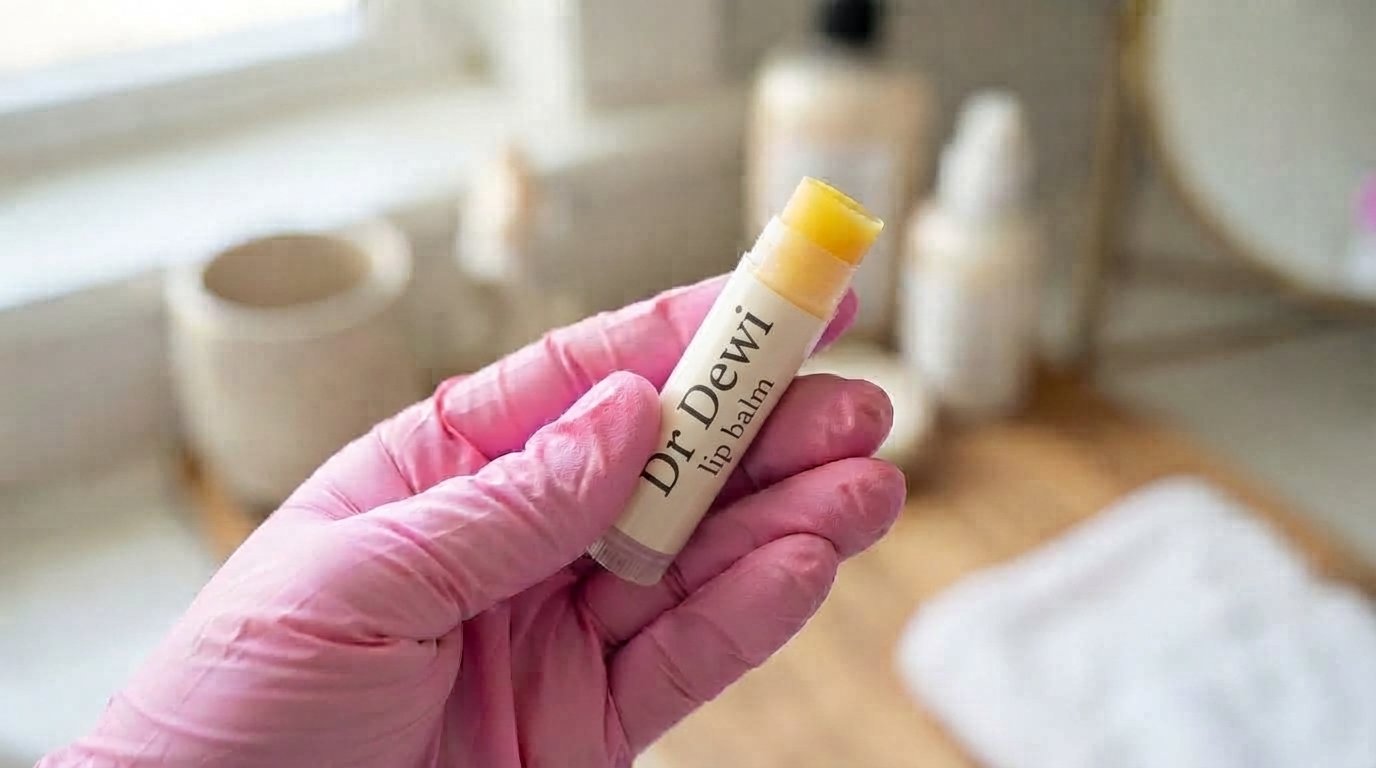
DIY 3-Ingredient Natural Lip Balm: Deeply Hydrating Winter Lip Care Recipe
Chapped, dry, and irritated lips are among the most common skin concerns during winter and seasonal weather changes. Because the skin on the lips is exceptionally thin, lacks sebaceous oil glands, and is constantly exposed to environmental stressors like cold air, wind, and dry indoor heating, it loses moisture far faster than other facial areas.
While many commercial lip balms rely on synthetic petroleum jellies or mineral oils that provide only a temporary surface film, a 100% natural, three-ingredient lip balm offers true therapeutic nourishment. By combining natural beeswax, coconut oil, and refined shea butter in an equal 1:1:1 ratio, this formulation creates a breathable protective barrier, delivers essential fatty acids deep into epidermal layers, and seals in moisture for long-lasting repair.
This formulation guide covers the skin science of lip care, active ingredient benefits, precise percentage and gram-based measurements, temperature-controlled manufacturing protocols, sanitization guidelines, and answers to frequently asked formulation questions.
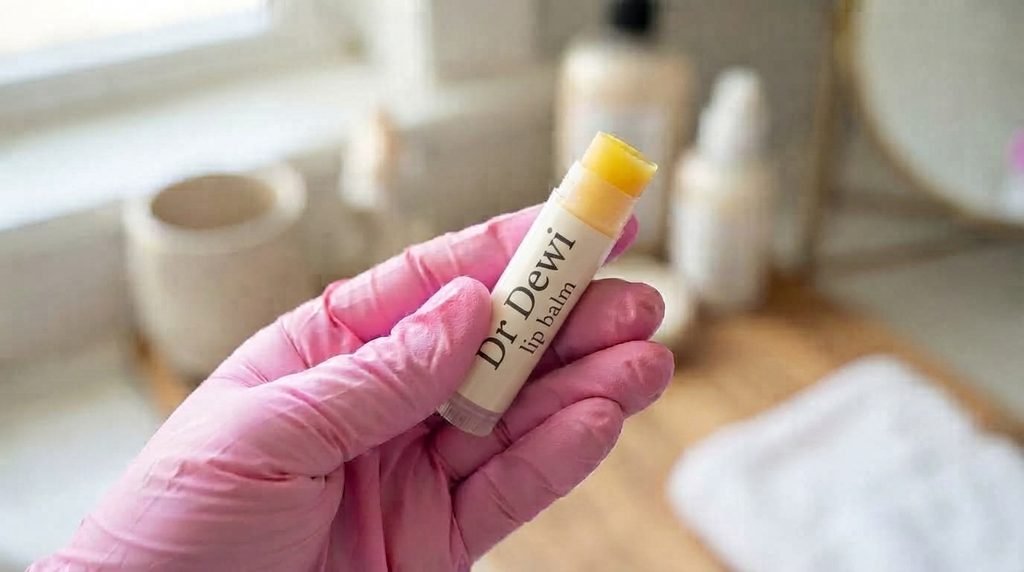
The Science Behind 3-Ingredient Natural Lip Care
Formulating a stable, soothing, and effective lip balm requires achieving an ideal balance between hardness, glide, and melt-point:
1. The Occlusive Shield of Beeswax
Beeswax acts as the structural foundation of solid lip balms. Unlike synthetic waxes, natural beeswax forms a light, non-comedogenic protective barrier on top of the lips. This barrier shields delicate skin against harsh environmental elements—such as freezing temperatures, windburn, and dry air—without clogging pores or preventing cellular respiration.
2. Immediate Melt and Thermal Glide from Coconut Oil
Coconut oil has a melting point near body temperature (around 24°C–25°C). The moment the lip balm touches the lips, the coconut oil phase gently melts, offering smooth application and rapid penetration of Lauric Acid and medium-chain fatty acids into dry micro-cracks.
3. Deep Lipid Repair from Refined Shea Butter
Shea butter is rich in natural vitamins A and E, cinnamic acid esters, and unsaponifiable plant lipids. It acts as an intensive restorative nutrient, calming inflammation, repairing cracked tissues, and restoring natural elasticity. Utilizing refined, odor-free shea butter ensures the product maintains a clean profile acceptable to all family members without overpowering natural scents.
Active Ingredients and Their Functions
- Natural Beeswax: Structural hardening agent; creates a breathable occlusive barrier that seals in hydration and protects against harsh environmental elements.
- Coconut Oil: Primary emollient and lipid carrier; melts instantly upon skin contact, delivering deep moisture and smoothing surface flakiness.
- Refined Shea Butter: Deeply restoring plant butter; packed with fatty acids, anti-inflammatory compounds, and antioxidants that soothe irritation and heal chapped skin.
Professional Formulation Recipe (1:1:1 Ratio System)
To ensure ideal consistency, texture, and melting temperature, ingredients are weighed in equal proportions by weight.
Formulated Percentages & Batch Scale (Batch Size: 100g)
- Natural Beeswax: 33.33% (33.33g) — Function: Structural builder, occlusive barrier, hardness controller.
- Virgin Coconut Oil: 33.33% (33.33g) — Function: Rapidly absorbing emollient, glide enhancer, moisture promoter.
- Refined Shea Butter (Odorless): 33.34% (33.34g) — Function: Deep conditioning lipid, skin barrier repair, cellular antioxidant.
Total Formulation Weight: 100.00% (100.00g)
Required Formulation & Packaging Equipment
- Precision digital scale (0.01g accuracy)
- Heat-resistant glass beaker (250ml capacity)
- Water bath setup (double boiler or hot plate)
- Glass stirring rod or mini stainless steel spatula
- Digital probe thermometer
- Sanitized lip balm tubes or small metal/glass pots
- Spray bottle with 70% Isopropyl Alcohol
- Protective Gear: Nitrile gloves, face mask, and hair cover
Step-by-Step Manufacturing Instructions
Follow these clear, professional steps to formulate a smooth, velvety, and stable 3-Ingredient Lip Balm.
Step 1: Safety & Equipment Sanitization
Put on your protective gloves, face mask, and hair cover. Thoroughly sanitize your workspace, glass beakers, stirring rods, scales, and lip balm containers using 70% Isopropyl Alcohol. Allow all items to air-dry completely.
Step 2: Melting the High-Melting Phase
- Weigh 33.33g of Natural Beeswax and 33.33g of Coconut Oil into a clean, heat-resistant glass beaker.
- Place the beaker in a warm water bath (double boiler) over medium-low heat.
- Stir slowly with a glass rod until the beeswax completely melts into a clear, uniform liquid with the coconut oil.
Step 3: Temperature Monitoring and Cool-Down Phase
- Once the beeswax is fully dissolved, carefully remove the beaker from the water bath.
- Monitor the temperature using a digital probe thermometer.
- Allow the liquid mixture to cool down below 60°C (140°F) before adding temperature-sensitive butter.
(Crucial Note: Adding shea butter to extremely hot oil/wax mixtures above 60°C–70°C can alter its crystal structure, leading to a grainy or gritty texture as it cools slowly).
Step 4: Adding Refined Shea Butter
- Weigh 33.34g of Refined Shea Butter.
- Add the shea butter into the warm oil/wax liquid phase (below 60°C).
- Stir gently and continuously until the residual heat completely melts the shea butter into a completely uniform, golden liquid.
Step 5: Pouring and Setting
- Carefully pour the warm liquid lip balm while still fluid into your sanitized lip balm tubes or pots.
- Fill tubes right to the brim, allowing a slight convex meniscus on top as it will contract slightly upon cooling.
- Leave the poured containers undisturbed at room temperature for 30 to 45 minutes until completely solid and firm.
Step 6: Final Packaging & Labeling
- Once the lip balm has fully hardened, cap the containers securely.
- Wipe down any exterior drips with isopropyl alcohol.
- Apply custom product labels and tamper-evident seals.
Benefits of 3-Ingredient Natural Lip Balm
- Intense Winter Hydration: Locks moisture inside delicate skin layers, preventing dry air and windburn from draining skin hydration.
- Instant Lip Soothing: Rapidly calms inflammation, redness, and painful micro-cracks on chapped lips.
- 100% Family-Safe: Formulated without synthetic fragrance, essential oils, preservatives, artificial dyes, or petroleum derivatives—making it safe for adults, children, and sensitive individuals.
- Non-Sticky Protective Film: Provides a long-lasting, silky surface seal without feeling tacky or heavy.
- Restores Natural Elasticity: Keeps lips flexible, soft, and smooth, preventing painful skin splitting during winter conditions.
How to Apply & Best Usage Practices
- Daily Preventive Care: Apply a thin layer across your upper and lower lips every morning before leaving home to shield against cold air and wind.
- Overnight Lip Mask: Apply a slightly thicker layer before bedtime to allow deep lipid restoration and cellular repair while sleeping.
- Pre-Lipstick Prep: Apply 5 to 10 minutes prior to applying matte lipstick to smooth out flakiness and create an even canvas.
Shelf Life, Storage, and Quality Maintenance
- Preservation Status: Because this formula contains zero water (an anhydrous product), no microbial preservative is required.
- Shelf Life: Properly formulated, packaged, and stored away from direct heat, this lip balm maintains stability and fresh quality for 12 to 18 months.
- Storage Environment: Store in a cool, dry place away from direct sunlight, heating vents, or hot cars to prevent softening or melting.
Frequently Asked Questions (FAQ)
1. Why is it important to use refined shea butter instead of unrefined shea butter?
Unrefined shea butter possesses a strong, smoky, earthy aroma and a natural yellowish color that can alter the scent and appearance of the lip balm. Refined shea butter undergoes natural filtration to remove strong odors and pigments, resulting in an odorless, white butter that yields a neutral, family-friendly product.
2. Why did my lip balm turn out grainy or gritty after cooling?
Grit in lip balms occurs when shea butter is heated to excessively high temperatures or cools down too slowly, causing high-melting fatty acids (stearic acid) to crystallize separately from lower-melting fats. Adding shea butter below 60°C and allowing the balm to cool undisturbed avoids this issue.
3. Can I customize this formula with flavor oils or essential oils?
Yes. If you wish to add cosmetic-grade flavor oil or lip-safe essential oil (such as Peppermint or Sweet Orange), add 0.5% to 1.0% during Step 4 alongside the shea butter, ensuring temperature remains below 50°C to preserve volatile aromatic compounds.
4. What should I do if the lip balm is too hard or too soft?
- If too soft: Slightly increase the beeswax percentage (e.g., 38% beeswax, 31% coconut oil, 31% shea butter).
- If too hard: Slightly reduce the beeswax percentage and increase coconut oil (e.g., 28% beeswax, 36% coconut oil, 36% shea butter).
5. Why does this anhydrous formula not require a preservative?
Microorganisms like bacteria, yeast, and mold require free water to grow. Since this formula contains only natural oils, waxes, and plant butter (0% water phase), microbial contamination cannot occur as long as water is kept out of the container during use.
Summary
Creating a 3-Ingredient Natural Lip Balm offers an exceptional, cost-effective, and highly rewarding way to manufacture pure, chemical-free skincare. By balancing natural beeswax, virgin coconut oil, and refined shea butter, you create a deeply restorative lip balm that protects skin against extreme weather conditions. Whether crafted for personal family care or added to a handmade cosmetic product line, this formulation delivers reliable, deeply hydrating results.