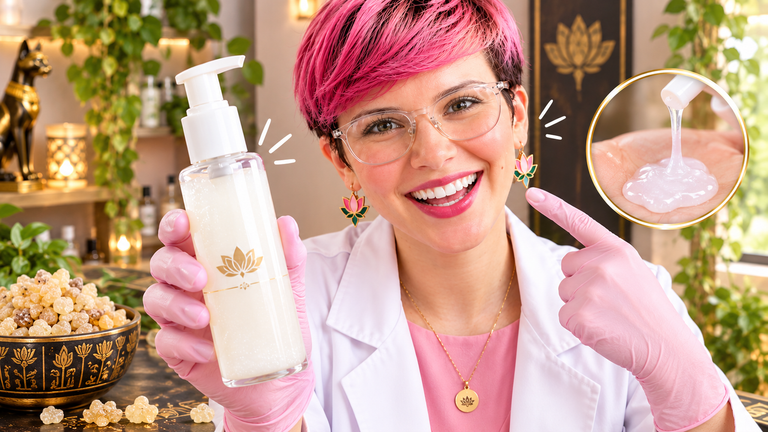
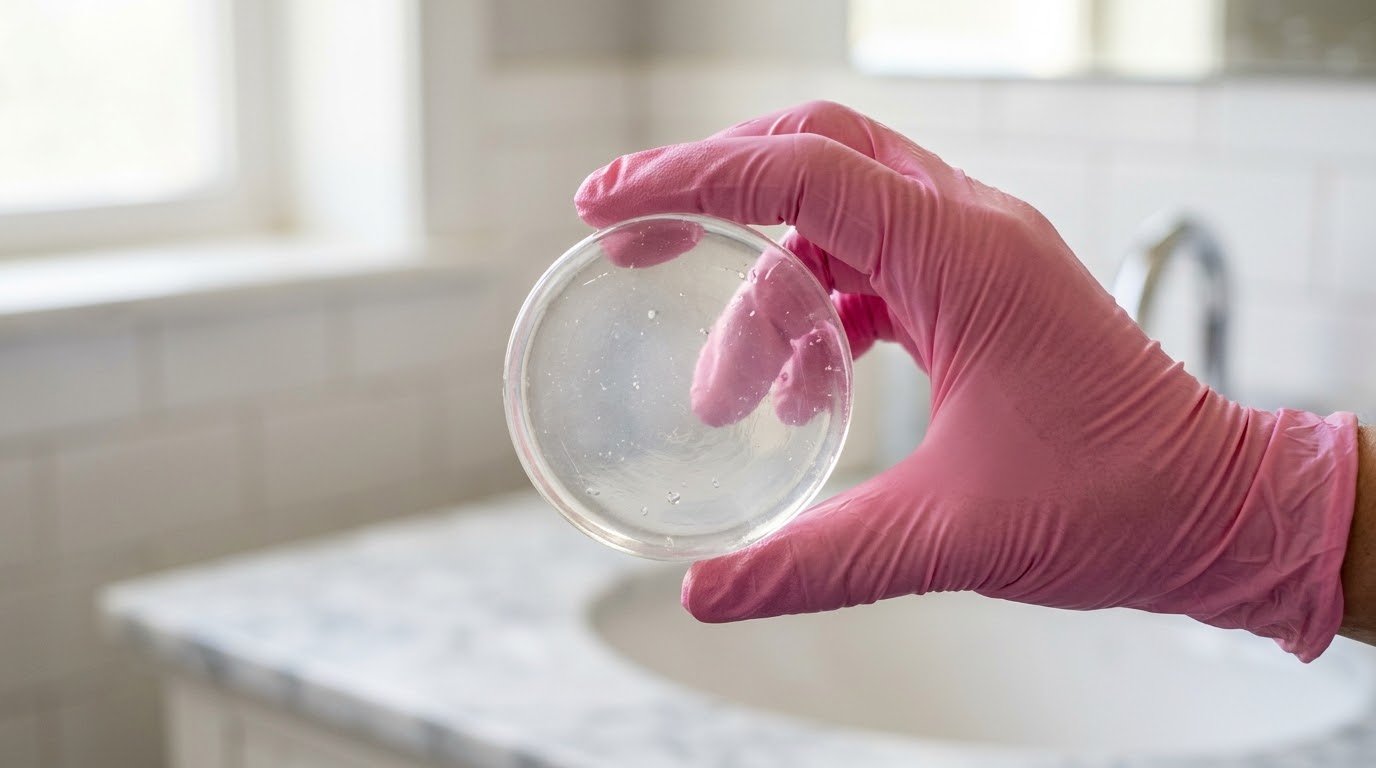
Ultra clear transaprent Frankincense melt and pour soap base DIY
Handmade soap making has evolved from a traditional craft into a precise cosmetic science. Among the various types of handcrafted bars, high-clarity melt-and-pour or transparent glycerin soaps are considered the gold standard of luxury formulations. They offer a glass-like aesthetic, deep skin hydration, and an exceptionally smooth sensory experience during cleansing.When enriched with Frankincense (Boswellia)—a botanical treasure historically celebrated as natural collagen—a transparent glycerin soap bar transforms into an advanced anti-aging skincare treatment. Frankincense works effectively to firm sagging skin, refine dilated pores, boost elasticity, and unify overall skin tone. Furthermore, a high-clarity Frankincense soap base can be remelted and customized with various botanical additives, clays, or essential oils to expand your cosmetic product line.This ultimate guide covers the science behind transparent soap formulation, key active ingredients, precise weight-based formulation measurements, step-by-step manufacturing instructions, safety guidelines, and answers to frequently asked questions.
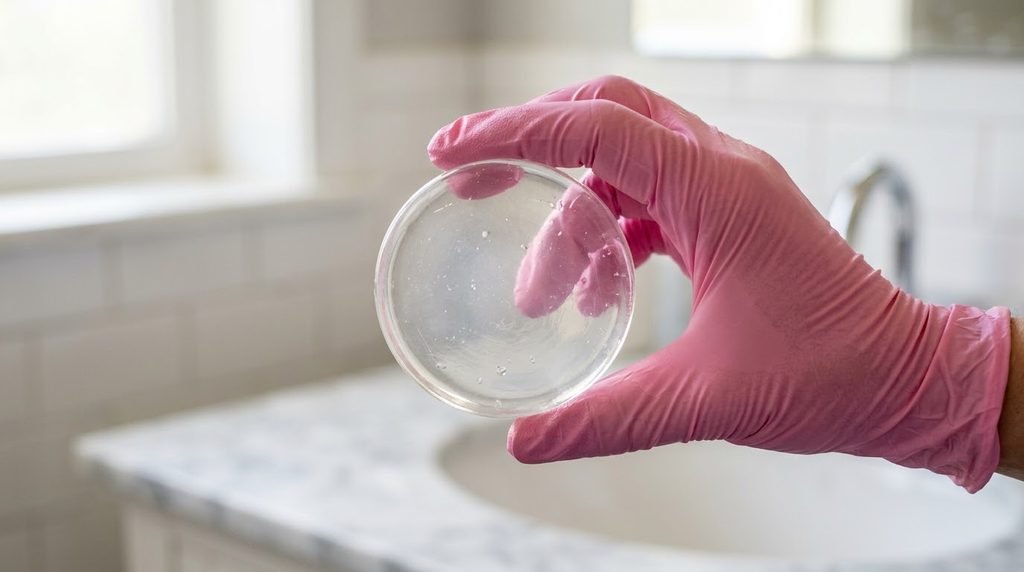
The Science Behind High-Clarity Transparent Soap:
Creating crystal-clear soap requires a delicate balance between solid fatty acids, gentle oils, lye solution, and specialized botanical solvents that alter the crystalline structure of the soap matrix:
Stearic Acid (The Solid Structural Matrix): Stearic acid reacts with sodium hydroxide (lye) to form sodium stearate. This creates a hard, long-lasting soap bar with a dense, velvet-like lather that prevents the bar from disintegrating quickly in water. Additionally, stearic acid forms a microscopic moisture barrier on the skin, preventing trans-epidermal water loss.
Coconut Oil (Cleansing and Lather Performance): Coconut oil supplies lauric and myristic fatty acids. When saponified, it generates voluminous, rich bubbles while thoroughly dissolving excess sebum, dirt, and daily environmental pollutants from the skin surface.
Monopropylene Glycol & Glycerin (Clarity Solvents): Clear soap requires preventing soap molecules from forming opaque crystals. Monopropylene glycol (MPG) and vegetable glycerin act as clarity enhancers. They increase the light refraction index of the soap matrix, producing a glass-like transparent appearance while maintaining deep hydration properties.
Frankincense Hydrosol (Active Botanical Core): Using raw Frankincense water infusions can cause cloudiness or discoloration in transparent soaps due to particulate resins. Frankincense hydrosol—the pure steam-distilled aromatic condensate—delivers volatile boswellic compounds, astringent active ingredients, and anti-aging benefits while maintaining flawless clarity.
Active Ingredients and Their Cosmetic Roles
Frankincense Hydrosol: Tightens sagging facial contours, refines enlarged pores, and stimulates surface blood circulation.Sorbitol Solution / Sugar Syrup: Enhances clarity, stabilizes rich lather, and acts as a humectant that attracts moisture to the epidermal layers.
Cocamidopropyl Betaine (CAPB): A mild, coconut-derived amphoteric surfactant that enhances foam stability, reduces irritancy, and conditions the skin.
Triethanolamine (TEA): Adjusts formulation pH, prevents cloudiness or haze, and acts as a co-emulsifier to integrate fatty acids with water-based hydrosols.
Professional Formulation Measurements (Batch Size: 840g Base Formula)To achieve consistent batch clarity, hardness, and performance, ingredients must be measured accurately by weight in grams on a precision digital scale.
Phase A: Oil & Wax Phase
Stearic Acid: 17.86% (150.0g) — Function: Hardness agent, structural binder, rich lather generator.
Coconut Oil: 11.90% (100.0g) — Function: Deep cleansing agent, dense foam generator.
Monopropylene Glycol (MPG): 32.14% (270.0g) — Function: Primary clarity solvent, skin penetrant enhancer.
Vegetable Glycerin: 5.95% (50.0g) — Function: Humectant, prevents soap cracking and dryness.
Phase B: Lye & Botanical Hydrosol Phase
Distilled Water: 5.95% (50.0g) — Function: Lye solvent and liquid vehicle.
Frankincense Hydrosol: 5.95% (50.0g) — Function: Active anti-aging botanical water.
Sodium Hydroxide (Lye Flakes): 5.95% (50.0g) — Function: Saponification agent (Reagent grade).
Phase C: Clarity & Foam Enhancer Phase
Sorbitol Solution (or 50% Sugar Syrup): 11.90% (100.0g) — Function: Glass-like clarity booster, lather stabilizer.
Cocamidopropyl Betaine (CAPB): 5.95% (50.0g) — Function: Gentle secondary cleanser, mildness enhancer.
Phase D: Clarifying & Balancing Phase
Triethanolamine (TEA): 1.19% (10.0g) — Function: pH balancer, haze prevention, clarity stabilizer.
Total Formulation Weight: 100.0% (840.0g)
Required Tools and Equipment
Proper equipment guarantees safety and high visual quality in high-clarity soap making:Stainless steel pot or double boiler (Avoid aluminum as lye reacts with it)Heat-resistant glass beakers (500ml and 1000ml)Precision digital scale (0.1g or 0.01g accuracy)Digital infrared thermometerHeat-resistant silicone spatulasHigh-clarity silicone soap moldsSpray bottle filled with 70% Isopropyl AlcoholProtective Gear: Safety goggles, chemical-resistant nitrile gloves, long sleeves, mask, and hair coverStep-by-Step Manufacturing InstructionsFollow these precise steps carefully to formulate a stable, crystal-clear, and skin-tightening Frankincense glycerin soap bar.Step 1: Safety & Workspace SanitizationPut on your safety goggles, nitrile gloves, long-sleeved clothing, and face mask. Ensure your workspace is well-ventilated (open windows or work near an exhaust fan). Sanitize all stainless steel pots, spatulas, glass beakers, and silicone molds with 70% Isopropyl Alcohol and let them air dry completely.Step 2: Melting the Oil and Wax Phase (Phase A)In a clean, dry stainless steel pot, weigh 150.0g Stearic Acid, 100.0g Coconut Oil, 270.0g Monopropylene Glycol (MPG), and 50.0g Vegetable Glycerin. Place the pot on low stovetop heat. Stir gently and continuously until the stearic acid melts completely into a uniform, clear liquid. Keep the temperature low to avoid scorching or discoloration.Step 3: Preparing the Lye and Frankincense Solution (Phase B)In a heat-resistant glass beaker, combine 50.0g Distilled Water and 50.0g Frankincense Hydrosol. Carefully add 50.0g Sodium Hydroxide (lye) flakes into the liquid (Always add lye to liquid, never water to lye). Stir slowly until the lye crystals dissolve completely.Caution: The reaction generates heat and vapor fumes. Perform this step in a well-ventilated area.Step 4: Saponification ProcessCheck that the temperatures of both Phase A (melted oils/wax) and Phase B (lye solution) are close to each other (around 60°C–65°C). Turn off the direct heat source. Slowly pour the warm Phase B lye solution into Phase A while stirring continuously in one direction.The mixture will thicken and white curds or soapy clusters may temporarily form as saponification occurs. Continue stirring steadily over low heat for a few minutes until all solid soap particles melt back down into a homogenous liquid.Step 5: Adding the Clarity & Lather Phase (Phase C)In a small beaker, pre-mix 100.0g Sorbitol Solution (or clear 50% white sugar solution) with 50.0g Cocamidopropyl Betaine (CAPB). Slowly pour this mixture into the hot soap base in the pot. Stir thoroughly to incorporate. The addition of sorbitol and CAPB will rapidly clear up the liquid, transforming it into a glossy, transparent syrup.Step 6: Clarifying and pH Balancing (Phase D)Add 10.0g Triethanolamine (TEA) into the clear soap mixture and stir gently for 1 to 2 minutes. TEA stabilizes the transparency, prevents fogging or cloudiness as the soap cools, and ensures the soap matrix achieves a smooth, balanced pH profile.Step 7: Molding and Bubble RemovalPour the hot liquid soap carefully into your sanitized silicone molds.Immediately spray the top surface of the freshly poured soap with 70% Isopropyl Alcohol to dissolve any micro-bubbles or surface foam.Allow the molds to sit completely undisturbed at room temperature for 4 to 6 hours until the bars solidify into a firm, glass-like consistency.Step 8: Unmolding and PackagingOnce fully hardened, gently unmold the transparent soap bars. Because high-glycerin soaps contain natural humectants that attract atmospheric humidity (which can cause “soap sweating”), wrap each bar tightly in cling wrap or shrink wrap immediately after unmolding. Store in a cool, dry place.Benefits of High-Clarity Frankincense Soap for SkinNatural Collagen Boost: Frankincense active compounds help tone skin tissues, firm loose contours, and reduce fine line visibility.Refines Enlarged Pores: Astringent properties minimize dilated pores and balance excess sebum production without over-drying.Deeply Hydrating: High concentrations of glycerin and sorbitol lock in moisture, leaving skin feeling soft, smooth, and supple post-cleansing.Gentle and Non-Irritating: Free from aggressive synthetic sulfates (SLS/SLES), ensuring safe daily use on face and body.Multipurpose Melt-and-Pour Base: Can be remelted to incorporate botanical petals, clays, or essential oil blends for versatile cosmetic product lines.How to Incorporate Frankincense Soap Into Your Daily RoutineDaily Facial CleansingWet face with warm water to open pores.Work the Frankincense soap bar between damp hands to create a creamy, dense lather.Gently massage the lather onto your face and neck in upward circular motions for 30–60 seconds.Rinse thoroughly with cool water to close pores and lock in hydration.Follow with Frankincense toner, serum, or moisturizer.Storage, Preservation, and Shelf-Life GuidelinesPreservation: Solid soap bars formulated with saponified oils and high glycol content maintain low water activity, making them naturally self-preserving against microbial growth.Shelf Life: Wrapped in protective film and stored away from direct heat and moisture, these soap bars remain stable for 12 to 24 months.Storage Environment: Store soap bars in a cool, dry area away from direct sunlight. Always place active in-use bars on a draining soap dish to prevent water pooling.Frequently Asked Questions (FAQ)1. Why is my transparent soap turning cloudy or yellow?Cloudiness usually occurs due to incomplete melting of stearic acid, incorrect lye ratios, or using dark unrefined sugar instead of clear sorbitol. Always use high-purity ingredients and precise digital weights.2. Can I remelt this soap base later?Yes! This high-clarity formula functions as a premium melt-and-pour soap base. Cut the soap into small cubes, melt over a double boiler on low heat, add desired cosmetic colors or essential oils, and pour into molds.3. Is this soap suitable for sensitive facial skin?Yes. The formula combines gentle coconut-derived surfactants with hydrating humectants (glycerin and sorbitol) and soothing Frankincense hydrosol, making it balanced and gentle for daily facial use.4. Why is my soap “sweating” after unmolding?Glycerin and monopropylene glycol are natural humectants that attract moisture from humid air onto the soap surface. Wrapping the soap bar tightly in plastic wrap immediately after unmolding prevents moisture absorption.5. Can I substitute Frankincense water infusion for hydrosol?It is not recommended for transparent soaps. Water infusions contain raw resin particles and botanical pigments that cloud the bar. Pure steam-distilled Frankincense hydrosol ensures crystal-clear clarity.Final ThoughtsCrafting your own DIY High-Clarity Frankincense Soap Bar combines luxurious visual elegance with natural collagen-boosting skincare performance. By using precise cosmetic percentages, stearic acid structure, gentle plant surfactants, and pure Frankincense hydrosol, you create a firming, pore-refining cleanser that hydrates and revitalizes skin. Whether crafted for personal self-care or as a flagship product for your handmade cosmetic line, this clear soap bar delivers professional-grade results.