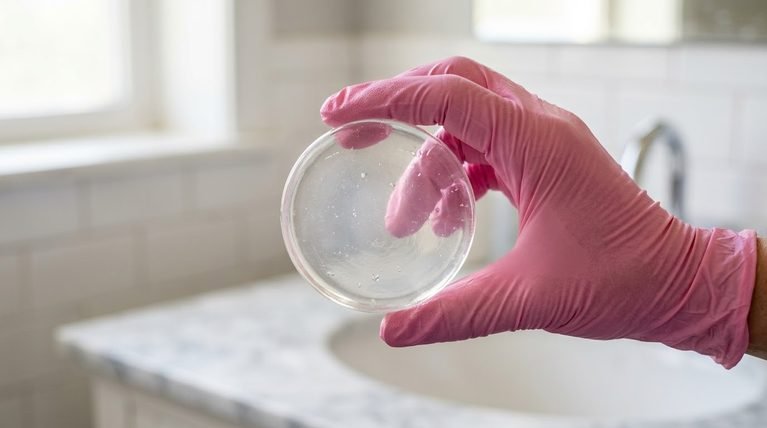
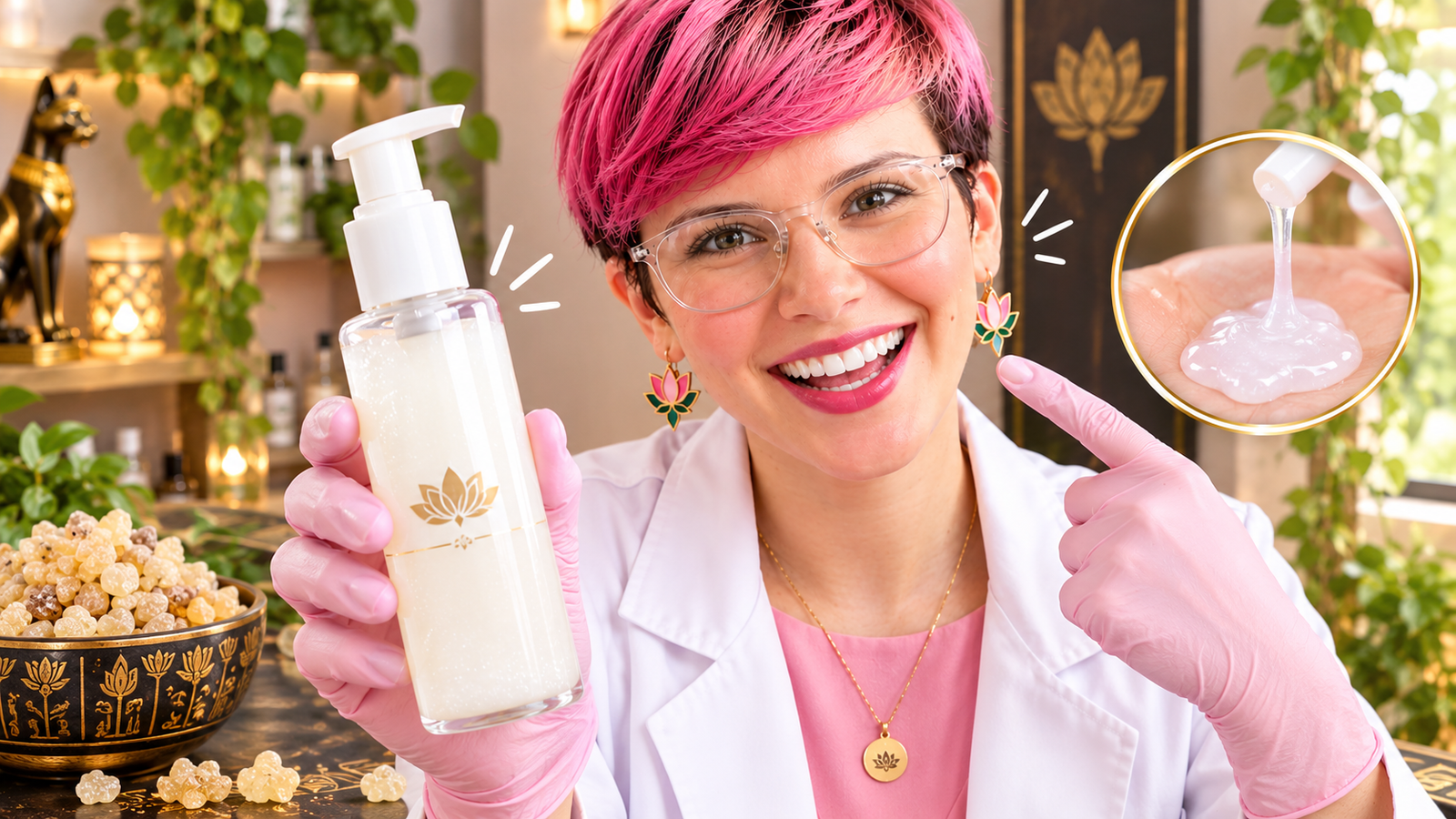
DIY Frankincense Facial Cleanser for Firm, Smooth, and Radiant Skin
Daily facial cleansing is the foundational step of any successful skincare routine. However, many commercial cleansers rely on harsh sulfates, artificial fragrances, and aggressive surfactants that strip away the skin’s natural lipid barrier, leaving it tight, dehydrated, and susceptible to premature aging. Natural botanical formulations offer a powerful, skin-friendly alternative that cleanses deeply without compromising dermal health.
Among nature’s most effective skincare ingredients, Frankincense (Boswellia) stands out as an exceptional agent for skin rejuvenation, pore refining, and firmness. Known historically as natural collagen, Frankincense helps tighten sagging skin, balance oil production, and enhance overall skin radiance. When combined with soothing botanical extracts and gentle coconut-derived surfactants, it produces a luxurious, high-performance facial cleanser suitable for all skin types.
This ultimate guide breaks down the formulation science, benefits, precise percentage-based recipe, step-by-step manufacturing process, pH adjustments, safety precautions, and FAQs for making a commercial-grade Frankincense Facial Cleanser at home or for your cosmetic brand.
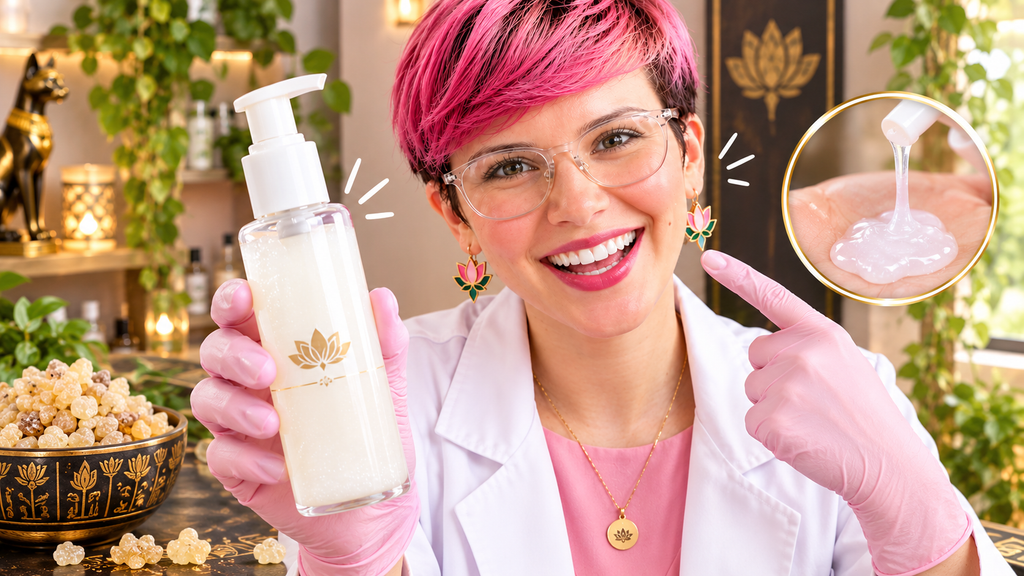
Why Frankincense is the Ultimate Natural Anti-Aging Cleanser
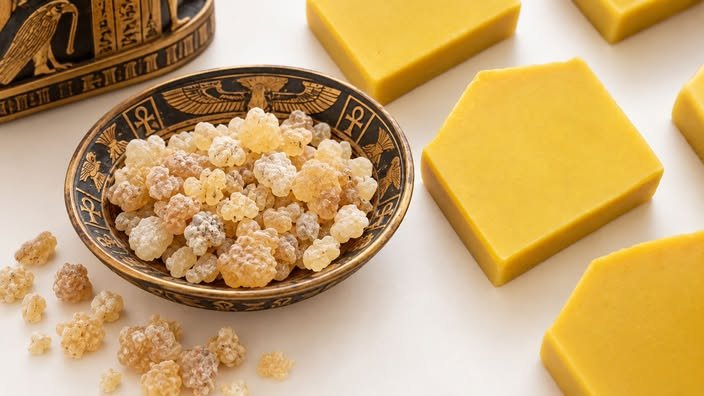
Frankincense resin has been revered for thousands of years across ancient civilizations for its potent cosmetic and medicinal properties. Modern cosmetic formulation science confirms that Frankincense extract delivers remarkable benefits when integrated into daily cleansing products:
1. Tightens and Improves Skin Elasticity
As skin matures, collagen degradation leads to loss of firmness and fine line formation. Frankincense acts as a natural astringent, helping to tone loose skin tissues and give the face a firmer, more lifted appearance after every wash.
2. Refines Enlarged Pores and Balances Sebum
Excessive oil production often leads to stretched, visible pores and frequent acne breakouts. Frankincense naturally shrinks enlarged pores while regulating sebum production, preventing oil buildup without drying out the skin.
3. Promotes Cell Regeneration and Radiance
Frankincense stimulates natural cellular renewal, accelerating the shedding of dead skin cells and revealing a brighter, more uniform complexion beneath.
4. Calms Inflammation and Reduces Redness
Rich in natural active compounds, Frankincense reduces skin irritation and soothes inflammatory responses, making it ideal for sensitive, acne-prone, or environmentally damaged skin.
Key Active Ingredients and Their Functions
A well-formulated cleanser balances active botanical ingredients, hydrating agents, and gentle surfactants:
- Frankincense Infusion (5% Concentrate): Delivers core anti-aging, firming, and pore-refining properties directly to the skin surface.
- Aloe Vera Hydrosol: Provides intense soothing hydration, reduces irritation, and protects against oxidative environmental stressors.
- Coco-Glucoside: A natural, non-ionic surfactant derived from coconut and fruit sugars that generates a rich, gentle lather without stripping lipids.
- Cocamidopropyl Betaine: A mild amphoteric surfactant that enhances foam stability, improves skin feel, and reduces total formula irritancy.
- Vegetable Glycerin: A classic humectant that draws moisture from the atmosphere into the skin layers to maintain hydration post-cleansing.
- Xanthan Gum: Creates a stable, elegant gel matrix that suspends ingredients evenly while adding extra glide during application.
Complete Formulation Table (Batch Size: 100g)
Cosmetic formulating requires accurate measurements by weight in grams rather than volume to maintain safety, batch stability, and consistent performance.
| Phase | Ingredient | Function / Role | Percentage (%) | Weight (Grams) |
| Phase A | Frankincense Infusion (5% Conc.) | Active base, firming, pore refining | 40.0% | 40.0g |
| Phase A | Distilled Water | Solvent, vehicle for active ingredients | 23.2% | 23.2g |
| Phase A | Aloe Vera Hydrosol | Soothing, anti-inflammatory, hydration | 10.0% | 10.0g |
| Phase B | Coco-Glucoside | Gentle primary natural surfactant | 12.0% | 12.0g |
| Phase B | Cocamidopropyl Betaine | Secondary surfactant, foam enhancer | 8.0% | 8.0g |
| Phase C | Vegetable Glycerin | Humectant, prevents moisture loss | 3.0% | 3.0g |
| Phase C | Xanthan Gum | Natural gelling agent, thickener | 0.8% | 0.8g |
| Phase D | Broad-Spectrum Preservative | Prevents microbial & mold growth | 1.0% | 1.0g |
| Total | All Phases Combined | Final Cleanser Target | 100.0% | 100.0g |
Equipment and Sanitization Guidelines
Working in a clean environment prevents micro-contamination and guarantees product safety:
- Digital Precision Scale (0.01g accuracy)
- Heat-resistant glass beakers (250ml & 500ml)
- Small mixing bowls or mini beakers
- Silicone spatulas & stainless steel whisks
- Handheld immersion blender or high-speed mini mixer
- Digital pH meter or precise pH testing strips
- Isopropyl Alcohol (70%) for equipment sanitization
- Protective gear: Nitrile gloves, face mask, and hair cover
Step-by-Step Manufacturing Process
Follow these precise steps to craft a stable, crystal-clear, and luxurious Frankincense facial cleanser.
Step 1: Preparing the 5% Frankincense Infusion
- Boil distilled water and measure 100g into a heat-safe container.
- Add 5g of high-grade raw Frankincense resin tear drops.
- Cover securely and let it steep for 12 to 24 hours to extract active boswellic compounds.
- Filter the liquid through a fine cloth or unbleached coffee filter to remove all resin particles.
Step 2: Sanitization
Thoroughly spray all glass beakers, spatulas, scales, and packaging containers with 70% Isopropyl Alcohol. Allow everything to air dry completely before formulating. Put on your mask, gloves, and hair cover.
Step 3: Mixing the Aqueous Phase (Phase A)
In a clean, sanitized main beaker, weigh and combine:
- 40.0g of filtered Frankincense Infusion
- 23.2g of Distilled Water
- 10.0g of Aloe Vera Hydrosol
Stir gently with a glass rod or spatula until completely uniform.
Step 4: Incorporating the Surfactants (Phase B)
Carefully add 12.0g of Coco-Glucoside and 8.0g of Cocamidopropyl Betaine to Phase A. Stir very slowly in one direction to prevent excessive foam generation. The mixture will combine effortlessly into a homogenous liquid base.
Step 5: Preparing the Gelling Slurry (Phase C)
In a separate small beaker, combine 0.8g of Xanthan Gum with 3.0g of Vegetable Glycerin. Mix thoroughly until a smooth, lump-free slurry forms. Pre-mixing the gum in glycerin coats the gum particles, allowing them to hydrate smoothly in water without forming clumps.
Step 6: Hydrating the Gel Matrix
Pour the Phase C slurry slowly into the main surfactant solution while stirring continuously. Use an immersion blender on low speed for 30–60 seconds to homogenize the mixture into a smooth gel texture. Let the mixture rest for 10–15 minutes to allow trapped air bubbles to rise and settle out.
Step 7: Preserving the Formulation (Phase D)
Add 1.0g of a broad-spectrum preservative (such as Liquid Germall Plus, Geogard ECT, or Euxyl PE 9010) into the gel. Stir thoroughly for 2 to 3 minutes to ensure the preservative is distributed evenly throughout the product.
Step 8: Measuring and Adjusting pH
Insert a calibrated pH meter or dip a pH test strip into the cleanser. The ideal skin-friendly pH range for a gentle facial cleanser is 5.5 to 6.0.
- If pH is above 6.0: Add 1–2 drops of a 10% Citric Acid solution, stir well, and re-test.
- If pH is below 5.0: Adjust upwards using a 10% Sodium Hydroxide solution drop by drop.
Step 9: Packaging and Storage
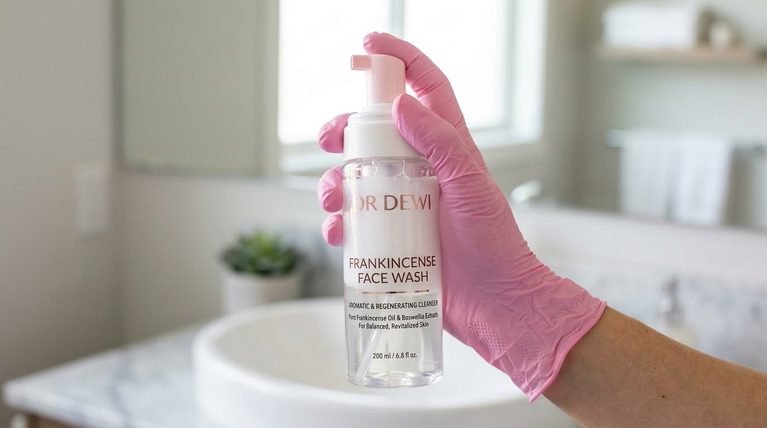
Transfer the completed cleanser into sanitized pump bottles or disc-top cosmetic containers. Affix product labels featuring manufacturing date, batch number, and full ingredient disclosure.
Benefits of Using Sulfate-Free Natural Cleansers
Commercial cleansers frequently rely on Sodium Lauryl Sulfate (SLS) or Sodium Laureth Sulfate (SLES) to create thick foam. However, these ingredients carry significant downsides:
- Protects the Skin Barrier: Sulfate-free surfactants gently cleanse without damaging delicate intercellular lipids.
- Prevents Trans-Epidermal Water Loss (TEWL): Natural glucoside surfactants preserve moisture levels, eliminating post-wash skin tightness.
- Soothes Sensitive Skin: Reduces the risk of contact dermatitis, stinging, or redness commonly triggered by synthetic detergents.
- Environmentally Friendly: Plant-based glucosides decompose naturally without polluting aquatic ecosystems.
How to Integrate Frankincense Cleanser Into Your Routine
For optimal anti-aging and skin-tightening results, use this cleanser twice daily as part of your core skincare regimen:
Morning Cleanse (AM)
- Wet face with lukewarm water.
- Dispense 1 pump of Frankincense cleanser onto clean hands.
- Gently massage in circular upward motions for 60 seconds, paying extra attention to the T-zone and areas prone to enlarged pores.
- Rinse thoroughly with cool water to refresh the skin.
- Follow with a toner, serum, lightweight moisturizer, and broad-spectrum sunscreen.
Evening Cleanse (PM)
- If wearing heavy makeup or waterproof sunscreen, perform an oil-based pre-cleanse first.
- Follow with the Frankincense cleanser to lift remaining surface impurities, sweat, and environmental pollutants.
- Gently pat dry with a soft, clean towel and proceed with your evening anti-aging serums and night creams.
Shelf Life, Stability, and Storage Advice
Because this cleanser contains water, a proper preservation system is essential for product safety:
- Shelf Life: Properly preserved formulations maintain stability and safety for 6 to 12 months when stored at room temperature.
- Unpreserved Formulations: Without a broad-spectrum preservative, water-based formulations will grow bacteria and mold within 3–5 days, even if refrigerated.
- Storage Environment: Keep stored in a cool, dry place away from direct sunlight, excess humidity, and high thermal variations.
Frequently Asked Questions (FAQ)
1. Can I use this Frankincense cleanser on acne-prone skin?
Yes. Frankincense possesses natural antibacterial and anti-inflammatory properties that help calm active breakouts, reduce redness, and prevent pore congestion without causing dryness.
2. Why is my cleanser foaming less than store-bought brands?
Commercial cleansers use synthetic sulfates to produce thick, aggressive foam. This formula uses plant-derived glucosides that generate a softer, creamy lather designed to cleanse gently without stripping skin moisture.
3. Can I replace Frankincense infusion with essential oil?
While essential oils offer aromatic benefits, the water-based infusion contains water-soluble active resins and boswellic fractions that integrate seamlessly into the water phase without requiring complex emulsifiers.
4. Why is pH testing mandatory for facial cleansers?
Human skin maintains an acidic mantle (pH 4.5–5.5) that defends against bad bacteria and environmental stressors. Cleansers with high pH levels disrupt this barrier, leading to dryness, irritation, and breakouts.
5. Is this cleanser suitable for mature, dry skin types?
Absolutly. The combination of glycerin, aloe hydrosol, and mild non-stripping surfactants ensures that mature and dry skin stays hydrated, supple, and comfortable post-wash.
Final Thoughts
Formulating your own DIY Frankincense Facial Cleanser gives you complete control over ingredient quality, safety, and performance. By combining natural collagen-boosting Frankincense infusion with mild coconut surfactants and hydrating humectants, you create an exceptional product that cleanses, firms, and revitalizes the skin naturally. Whether crafted for personal use or as a signature product for a handmade skincare line, this formulation represents the perfect balance between nature and modern cosmetic science.